RSS

Tag Archives: Port Arthur Duluth & Western Railway

Port Arthur, Duluth & Western Railway MP 19

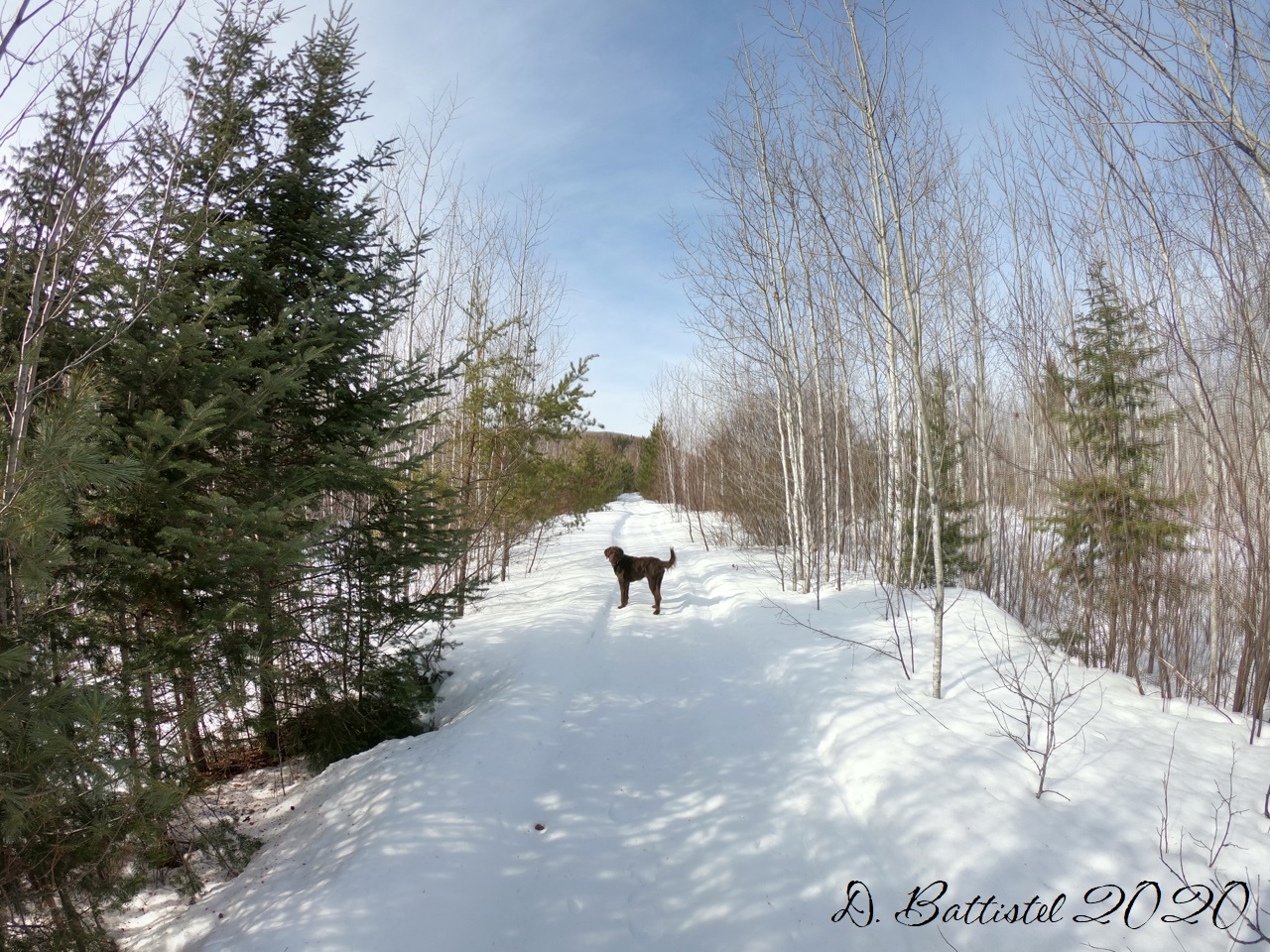
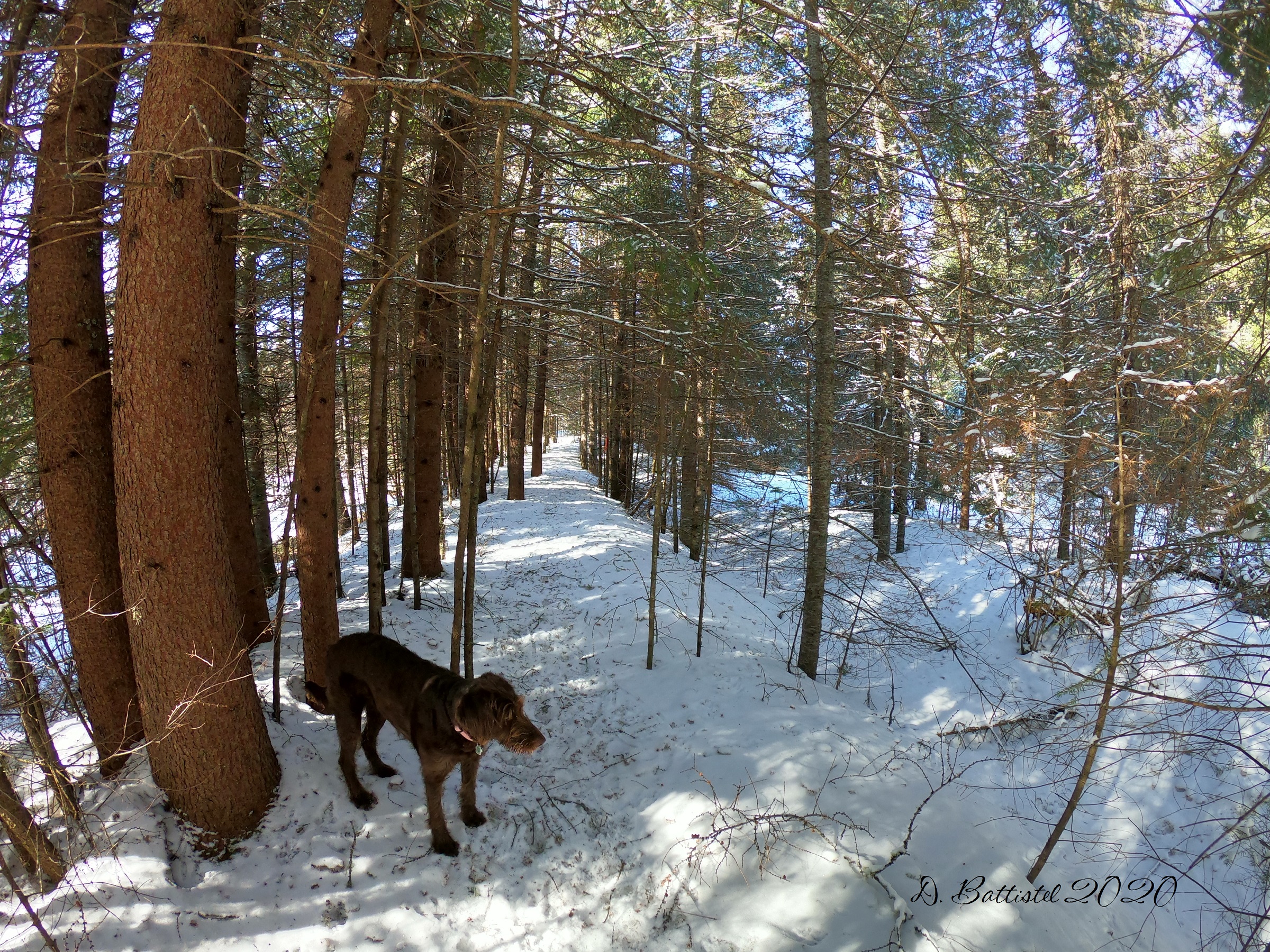
Video of the former railway grade at Stanley, ON. Stanley was a major station on the PAD&W from 1889 to 1899. When Canadian Northern began construction on their line to Winnipeg, it became the junction point between the two lines. However, in 1912, a new route was opened from Twin City (MP 11.8) to Kakabeka which bypassed Stanley. Its importance declined, though it remained a station until 1938 when the PAD&W was abandoned.

 
Leave a comment

Posted by on April 29, 2020 in Hiking, History, Railway, Video


Tags: , , , , , ,

Port Arthur, Duluth & Western Railway MP 11.8

A little sad posting this, but here it goes.

Unfortunately, the last piece of the PAD&W Railway has disappeared after 131 years. When the line was abandoned in 1938, all but 1.74 miles of the rails were removed. Those were left to service the brick plant in Rosslyn, but almost all them were torn-up in 1989. All that remained was a 2000-foot spur near Twin City Junction. They managed to hang on for another 30 years, but sadly lost their battle to time as well.

There is a small section still in the ground, but it is likely that they too will be taken up soon enough. This means that the bridge at Stanley/Harstone and the Silver Mountain Station are the last physical traces of the PAD&W left.

https://padwrr.com/info/chronology/

Available in 4K (though it might not be available due to YouTube lowering bandwidth worldwide).

 
Leave a comment

Posted by on April 24, 2020 in History, Railway, Video


Tags: , , , , , ,

Rails into the Wilderness: The Port Arthur, Duluth & Western Railway

Still looking for things to do during the COVID-19 situation? Why not join me for my next live presentation?

On Tuesday, April 21 at 7pm EST I’ll be presenting Rails into the Wilderness: The Port Arthur, Duluth & Western Railway. Hear where the story all starts with in this classic presentation. Learn about the early history of the PAD&W, the struggle to get the line constructed and how it all fell apart so quickly. This talk will feature a number of period and modern photographs.

Please click on the link below for more details.

 
Leave a comment

Posted by on April 19, 2020 in History, Railway, Video


Tags: , , , , ,

Gunflint & Lake Superior: Ontario’s Private American Railroad

Looking for something to do during the COVID-19 situation? Why not join me for a talk on a fascinating piece of area history?

Tonight, April 7th, I’ll be presenting Gunflint & Lake Superior: Ontario’s Private American Railroad live on YouTube. This is a very unique and obscure story that spans the two countries that share the Boundary Waters. The presentation contains some great information, as well as numerous period and modern photos. Click on the link below for more details.

Please join me if you can and feel feel to share this link with anyone who may be interested. The live stream starts at 7pm Eastern time.

 
3 Comments

Posted by on April 7, 2020 in History, Railway, Video


Tags: , , , , ,

It’s spring, but I’m stuck inside…

It’s spring, but I’m stuck inside…

Honestly, I really struggled on how to start this post. As a history teacher, I always talk to my students about those dramatic events that occur during our lifetime, the ones where we always remember where we were when they happened, or have the visuals ingrained in our minds. I have several of my own; 1986 Challenger tragedy, the fall of the Berlin Wall and 9/11. Well, it’s 2020 and here we are again. I know years from now I’ll remember exactly where I was, just where I am right now…sitting on my couch!

Well kids, I’m back…I wish it was under better circumstances. It is a very challenging time in the world, and I find it difficult to manage the tone of this post. I want to try and keep things upbeat though, as there is enough negative news around. The last few week have been a bizarre and surreal whirlwind of events that no one saw coming. Just before school shutdown, one of the last things I taught my Grade 10 class was about the Spanish Flu, the last time the world experienced a pandemic on this scale. The irony is not lost on me.

It’s now April and I’ve been away from school since the 13th of March. It seemed as though one-minute things were fine and the next we were told the schools would remain closed for two weeks after the March break. Now, that closure has been extended until May. And during that time the COVID-19 exploded across parts of the world. Since schools have been closed for the foreseeable future, we have been thrust into this crazy situation of trying to teach everything online. I taught a geography course online for a few years, but this is nothing anywhere close to the same thing. It is going to be a very interesting few months as we figure out how to salvage some semblance of the school year.

So here I sit, parked on my couch like millions of other people around the world. I, like many of you out there, really struggle to make sense of all of this. As I described earlier, the world has not seen a health situation like this in 100 years, and such uncertainty since World War II. There’s not much we can do, but follow the advice of the medical professionals, including staying at home and watch our physical distancing. I guess it gives some of us time to spend with our families, work on projects and pray for those experiencing the worst of this pandemic.

For now, anyway, the only saving grace has been the weather. The weather? Ya, I know, I’m actually saying something positive about it for a change. February was pretty good, though the first part of March was rather crappy. However, surprisingly, since we’ve been told to stay home, the weather has mostly been pleasant. I’ve been trying to take advantage of it, going for hikes (which I’ll talk about later), daily walks and bike rides; I guess I’m not really stuck inside am I? In any case, I went out and bought a new bike, which was inspired by buying one for Ethan’s birthday. I guess I was rather due, since my old bike was purchased in 1996! We’ve also gone to camp, which we will be doing more of as the snow receeds.

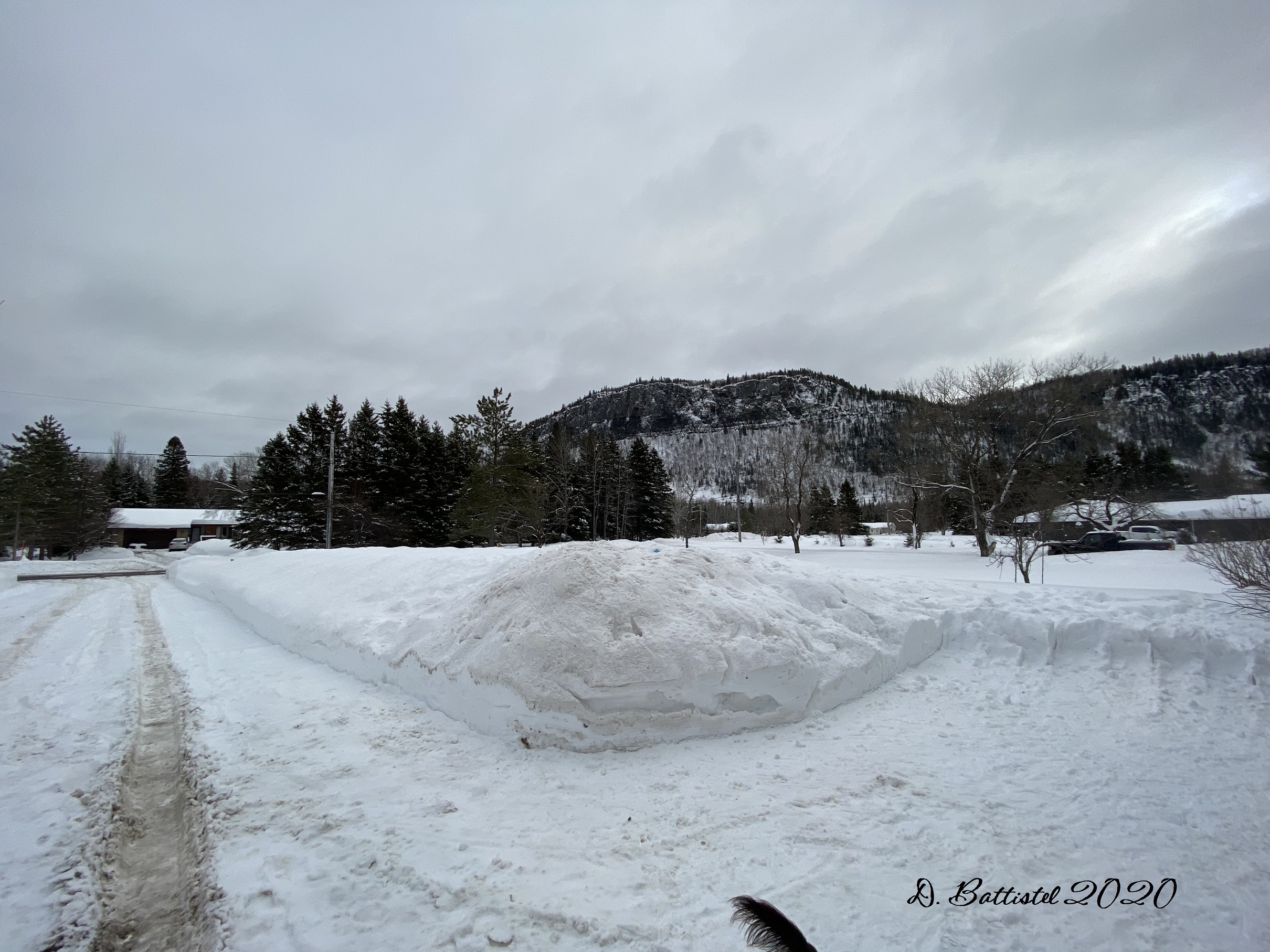
Spring thaw, March 2020.

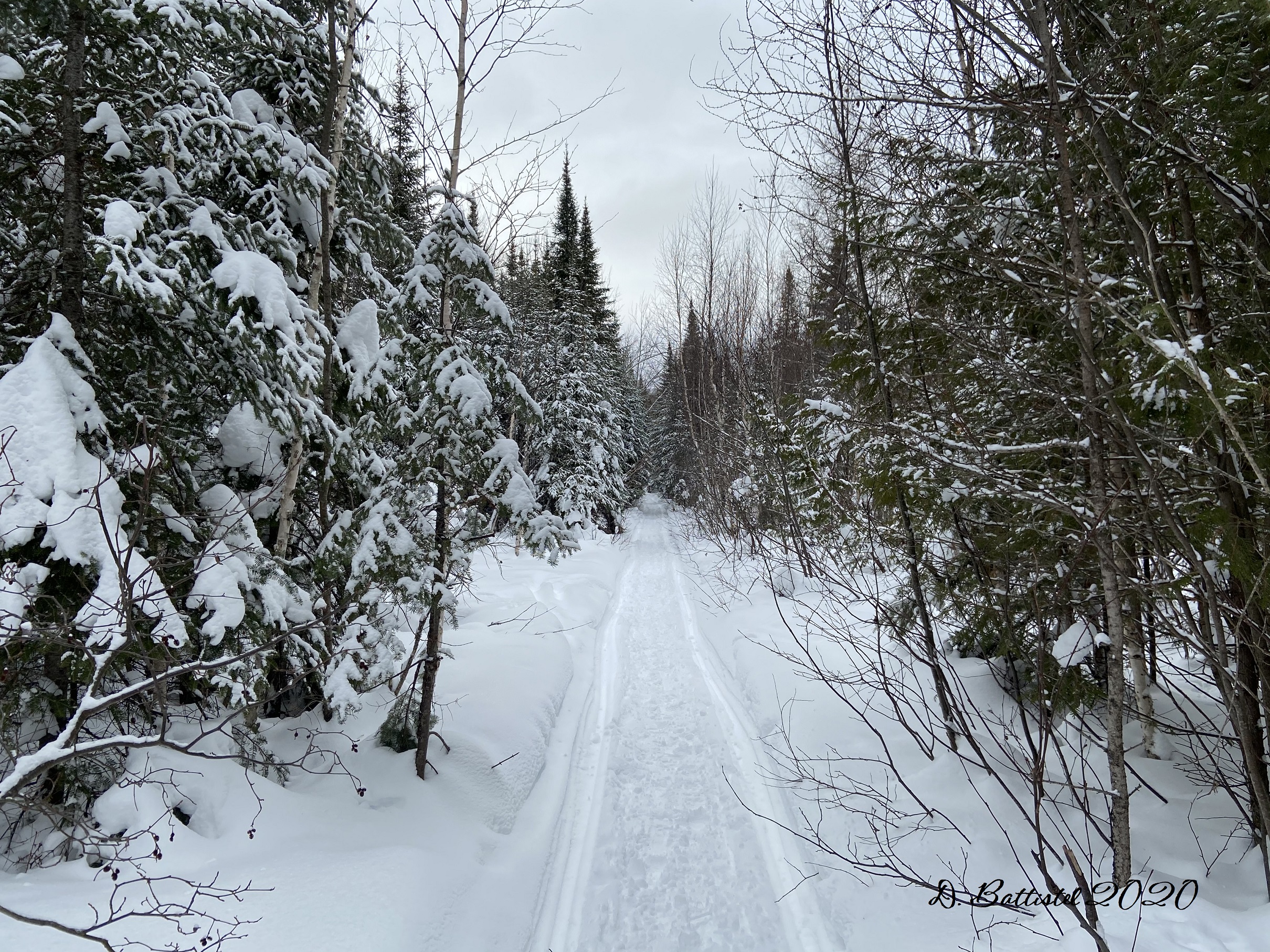
Spring thaw, April 2020.
Camp, March 2020.
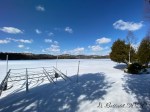
Camp, March 2020.

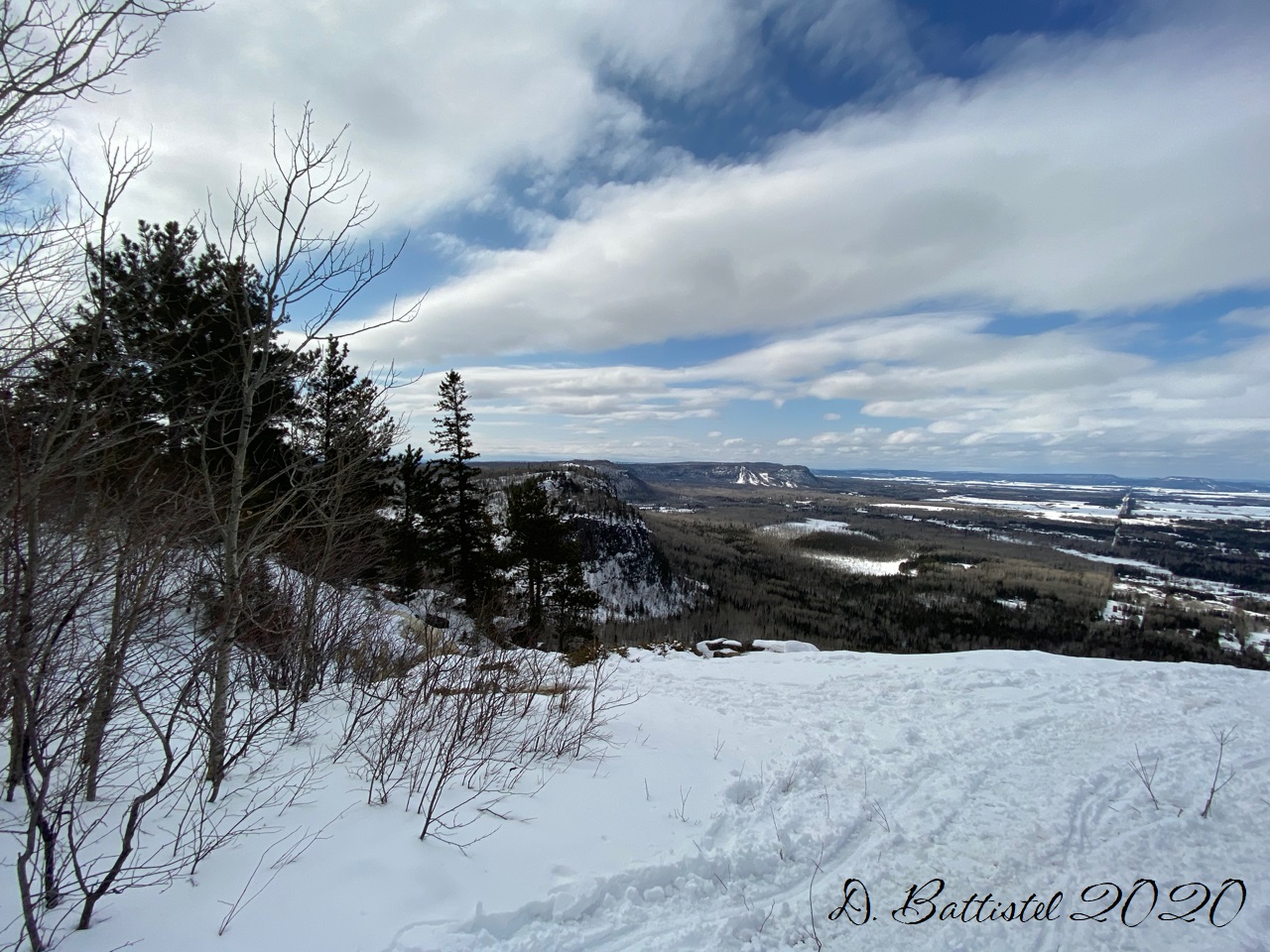
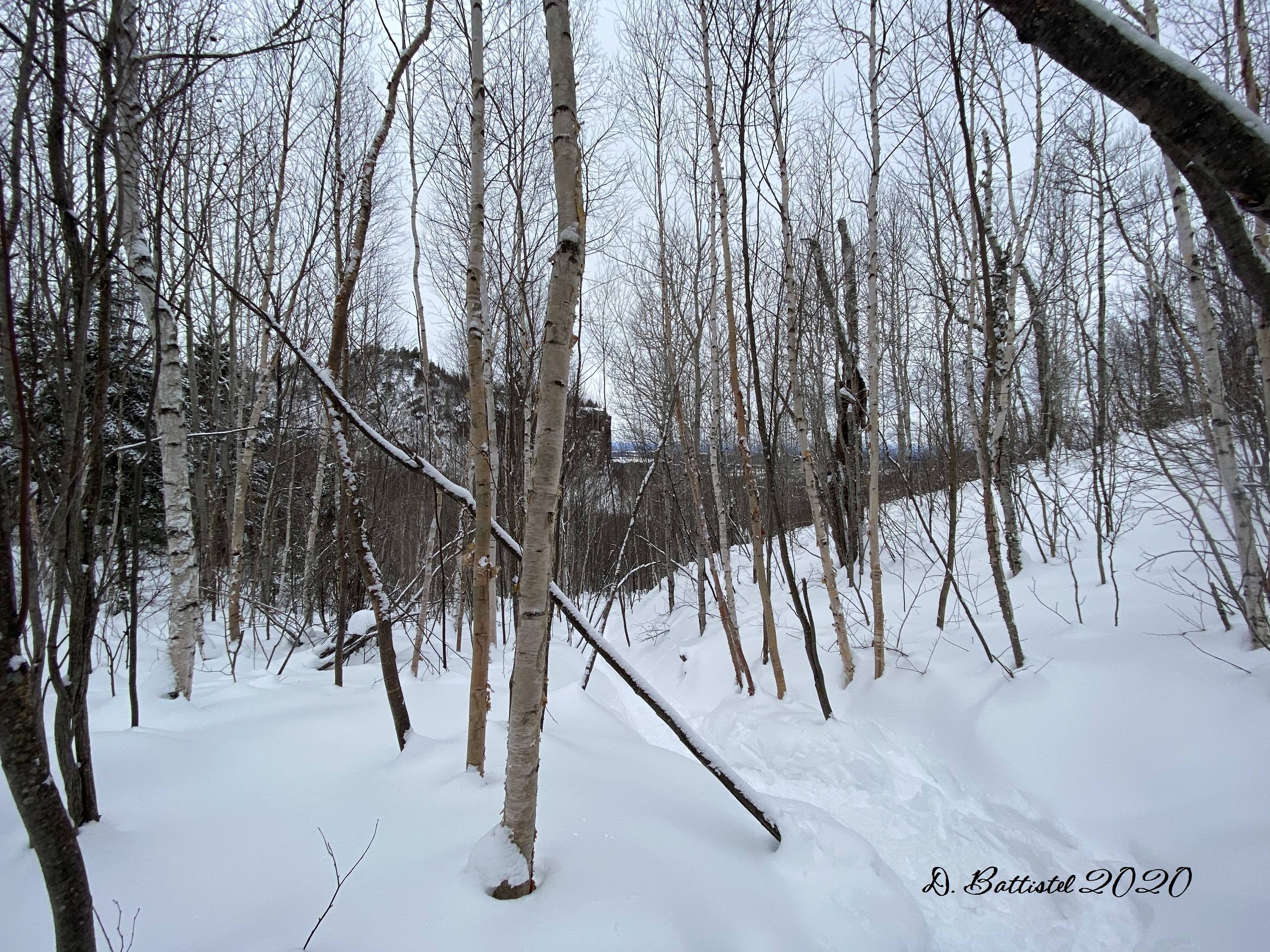
Mount McRae, March 2020.

Mount McRae, March 2020.

Since I have extra time now (well, in between doing schoolwork and projects around the house), I’ve been trying to do as much as I can on my book. The only bad thing is that COVID-19 likely will throw some of my plans for a huge loop. I was supposed to head down to Gunflint for field work in early May with the archaeologists from the US Forest Service, work we were originally to start on in October, but it snowed. Now the border is closed, and we’re told to stay home. Ugh! It’s like the history gods don’t want me to finish this off. Hopefully things clear up by the summer and we can set something up for then.

I’m also supposed to be in Toronto in early July to visit my brother and his wife, and at the same time do research at the Archives of Ontario. That might also be in jeopardy too; it’s all going to depend on how this pandemic plays out. In the meantime, I’ve been trying do little tweaks and edits where I can. I did get some documents from the Minnesota Secretary of State, but my requests with the Wisconsin Historical Society and Library and Archives Canada will need to be followed up on once this mess is all over. I did take some time to sort through and re-file most of the documents I used on the book. Boy did I kill a lot of trees!
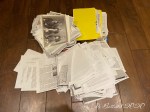
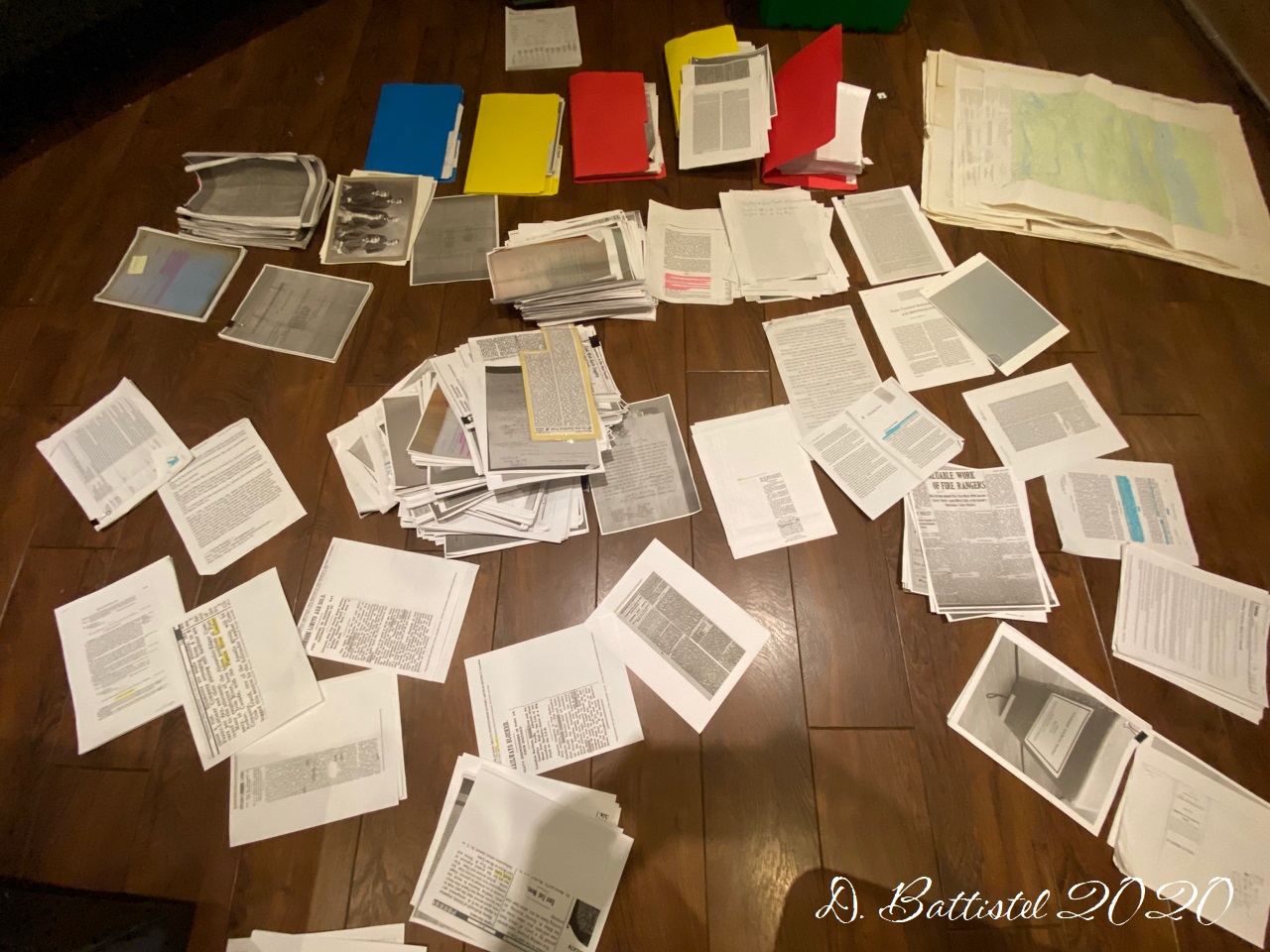
Book files, March 2020.
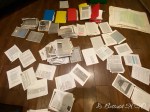
Book files, March 2020.
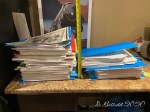
Book files, March 2020.

While I am waiting to finish off the last parts of the book, I’ve started in on a new project. I know, colour you shocked! We’ll, it all started very innocuously. Back in February I got an email from the Cook County Historical Society regarding an inquiry someone made on the Palatine Mining and Development Company. This outfit was from Chicago and made up of Polish-American businessmen who wanted to open up the old Paulson Mine in the early 1920s. I passed along some of what I knew, but the request piqued my interest. So, next thing I know I’m scouring the internet for more information on the company and the people that ran it. Then I’m sending emails to the Illinois and Arizona Secretaries of State for documents. No, this won’t be another book, but likely an article for the Thunder Bay Historical Museum Society.

To help pass the time and also practice physical distancing, I decided that I should do some early spring hiking. I don’t really go out during the winter, since it isn’t easy to get around in the snow and things that I want to see are generally obscured. However, I figured what else do I have do and it might brighten someone’s day who can’t get out. So, the first hike I did was a few weeks back and I went to Stanley, where the PAD&W crossed the Kaministiquia River at Milepost 20 and the 1920s era bridge is still there. There was still a lot of snow, but it felt good to get out and look around. You can watch the video I shot here.

Stanley, Ontario, March 2020.
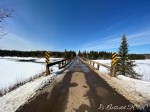
Harstone Railway Bridge, March 2020.

Harstone Railway Bridge, March 2020.

Last week I travelled much further out, to Milepost 59 and a place called Iron Range Hill. About seven years ago I was sent some pictures that were taken of the railway during the winter of 1915-1916. It shows a train stuck in the snow on the hill, which probably has the heaviest grade on the line at over two percent. The railway had to climb from 1541 feet above sea level at Sandstone Lake to 1690 feet at the top of the hill in just over a mile; the incline in the grade is very noticeable. Thankfully people use part of the old grade as a snowmobile trail, which made it much easier to get around. Otherwise, the snow was past my knees! You can watch the video I shot here.
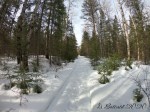
Iron Range Hill, March 2020.
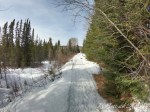
Iron Range Hill, March 2020.

Iron Range Hill, March 2020.
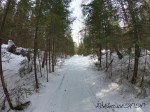
Iron Range Hill, March 2020.

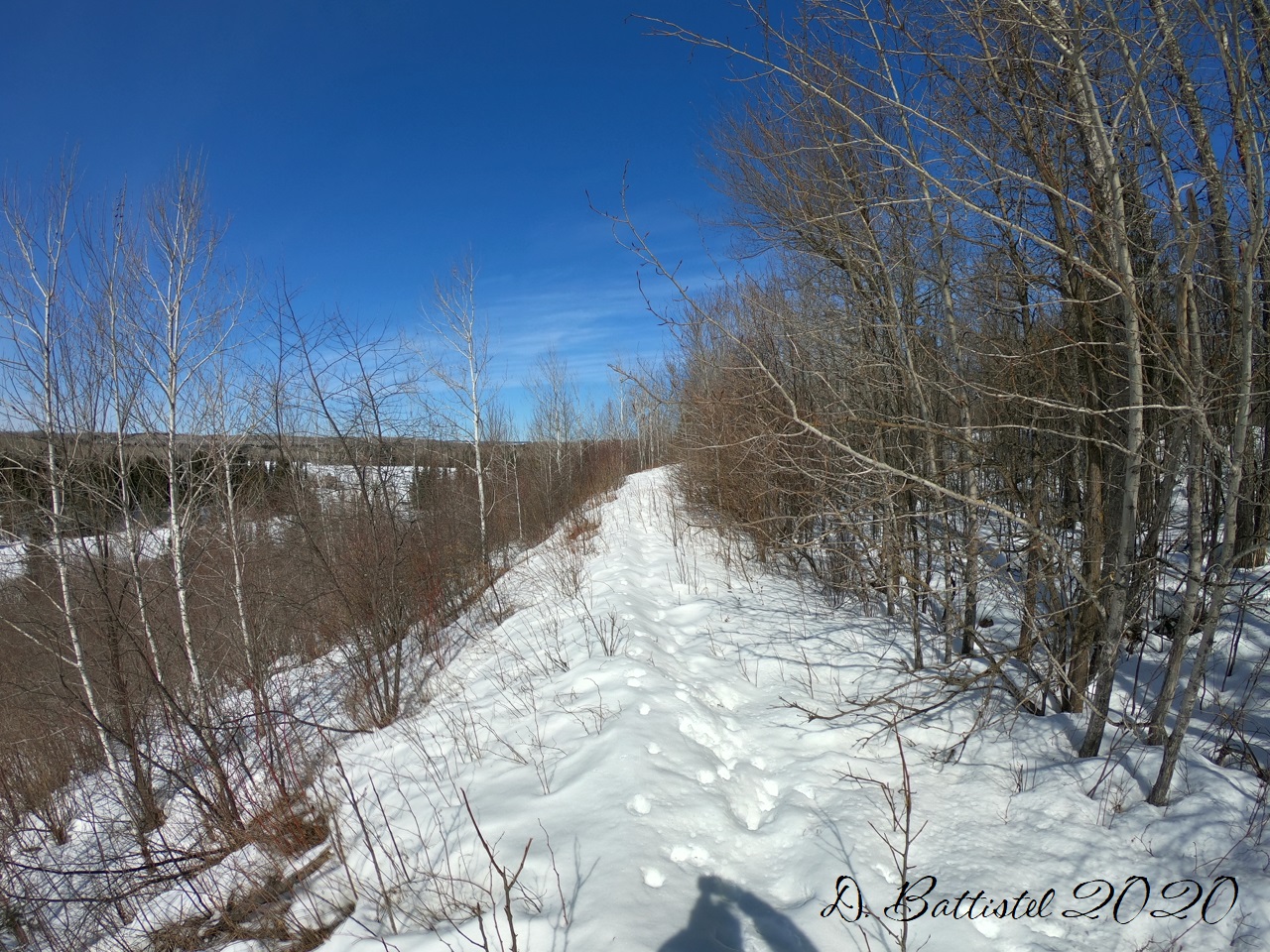
Yesterday I went out in that same area, just a little more to the east at Gravel Lake Station, Milepost 52. It wasn’t a very long hike, but I knew it would be a challenge since there would be no snowmobile trail. There was a pretty solid crust of snow, but I still needed my snowshoes to get around. Gravel Lake Station lies at the end of a chain of four lakes known as the Gravel Lakes. This stretch of the railway is very bad, with the grade having sunk down in the swampy, muskeg terrain. I’ve been through there a few times in the past, the last time in 2010, so I thought I’d take a look in the winter. I hopefully plan to get back there in the fall and walk the entire 2.5km section. Anyway, you can watch the video I shot here.

Gravel Lake Station, April 2020.
Gravel Lake Station, April 2020.

Gravel Lake Station, April 2020.
Gravel Lake Station, April 2020.

Unfortunately, I’ve decided to shutdown the hikes for a few weeks. The Government of Ontario has asked people to limit non-essential travel to help flatten the COVID-19 curve; I know I’m not going anywhere with any people, but I still feel I should adhere to what we are being asked to do. Besides, soon the bush will be wet and not pleasant to hike through until it dries out. To help fill the time, I decided to try putting some of the lectures I do online. The first one will take place on Tuesday, April 7 at 7pm Eastern time. The talk will be on the Gunflint & Lake Superior Railroad, the subject of my book. Just click on the link below and it will take you to the live video:

Gunflint & Lake Superior: Ontario’s Private American Railroad

Anyway, I better move along; there are a ton of things to do around here. Please stay safe during this challenging time. I’ll try to be back in a month, hopefully when I can start hiking again. I already have a bunch planned in my head! Until then…

 
Leave a comment

Posted by on April 6, 2020 in History, Railway, Research, Writing


Tags: , , , , , ,

Port Arthur, Duluth & Western Railway MP 59-60.5

Video from Saturday’s hike at Iron Range Hill, between Mileposts 59 and 60.5.

Iron Range Hill, between Sandstone and Iron Range Lakes, had the heaviest grade on the line at over 2 percent. There is a famous series of photographs taken of the hill in 1915-1916 showing a train stuck in deep snow on its way to North Lake (MP 71).

In the video I mistakenly refer to the Height of Land as the end of this section. In fact, the Height of Land was further down the line, west of Iron Range Lake. The top of IRH and the Height of Land have a similar elevation.

 
Leave a comment

Posted by on April 2, 2020 in Hiking, History, Railway, Video


Tags: , , , , ,

Port Arthur, Duluth & Western Railway MP 20

Video from Saturday’s hike at the former PAD&W bridge west of Stanley at MP 20.

This bridge is the last remaining structure on the railway, and was built in 1922. At the time, the line was part of Canadian National Railways, and was known as the North Lake Sub-Division or the North Lake Branch. It was the third bridge at this location; the original was constructed in 1889 and the first replacement installed in 1902. The last train rumbled over it in March 1938, 82 years ago this month. The whole line was abandoned in October of that year.

It was converted to vehicular use at some point afterwards (for sure before 1960) which it continues to faithfully do. The bridge is in need of some repair, which hopefully occurs soon to keep this great reminder of the railway operating well into the future.

Available in 4K (though it may not be available due to YouTube lowering bandwidth worldwide).

 
Leave a comment

Posted by on March 25, 2020 in Hiking, History, Railway, Video


Tags: , , , , , ,

Corduroy Trestle, Gunflint & Lake Superior Railroad 1997

In honour of the 115th anniversary of its completion, and the 12th anniversary of its demise, we revisit the Gunflint Corduroy Trestle.

This amazing structure was built in the winter of 1904-1905 by the Pigeon River Lumber Company for their logging railroad, the Gunflint & Lake Superior. To climb the ridges south of the lake, the company built a very crude trestle by corduroying logs and topping it with gravel. Just over 250 feet long, the elevation increases 25 feet in that distance, creating a brutal 10% grade. It was probably one of the most unusual railroad trestles in all of North America.

Later that year they purchased a Shay locomotive (SN-683) to work this section of the line.

Sadly, the trestle was lost in 2008. The year before it was engulfed by the Ham Lake Fire and the logs smoldered for months. The USFS was forced to dynamite the structure to extinguish the fire. I’m glad I was able to see it before its demise and shoot this footage. My apologies for the shaky recording; I was very young, rather excited and there was no stabilization!

 
Leave a comment

Posted by on March 9, 2020 in Hiking, History, Railway, Video


Tags: , , , , , ,

PAD&W of Minnesota MP 89.7/4.2

A video of 300-foot rock cut on the Port Arthur, Duluth and Western Railway near Round Lake, MN.

 
Leave a comment

Posted by on February 8, 2020 in Hiking, History, Railway, Video


Tags: , , , , , ,

I didn’t know it would take this long!

I didn’t know it would take this long!

Have you ever started on something and thought “this is a piece of cake; I’ll be done in no time”? We’ve all be there before, right? Sometimes the task is small, you know, like making dinner or cleaning the house; other times, it’s a big, complex project like renovating a room or say writing a book. Wait, what? Writing a book? Who casually writes a book? Haha, I guess the percentages of people doing renos is much higher than people writing a book. Are there bonus points for doing both? Asking for a friend.

Hey kids, I’m (finally) back. I know I said in my last post I’d be back before Christmas and well, it’s now the end of January. My bad? I guess it’s the difference between aspirations and reality. I really did intend to post before Christmas and then, as usual, life gets in the way. Hey, I’m busy guy…I’m writing a book and doing some renovations. Okay, I’ll be honest, there isn’t a ton of work with the renos, but I have been doing a lot of work on the book. That’s a topic for later though.

So, if it’s the end of January, that means I’m in a bit of a down time. What does that mean? Well, it means that the first semester is almost over and we’re gearing up for the second half of the year. The good news is that, as JBJ would say, “we’re halfway there;” bad news is that there is still half a year to go. Oh well, we’re on what I call the downward slide. Second semester always goes faster, the days are getting longer, and winter will, eventually, be over. Yay!

Speaking of the weather, no post would be complete without some mention (or rant) about it. Funny thing is that there isn’t too much to complain about. The winter so far, fingers crossed, hasn’t been too bad. We haven’t had very many cold days, and it’s been fairly mild at times. The only issue is that we’ve had quite a bit of snow; according to the data there is officially 35cm of snow on the ground, but some areas are reporting upwards of 80cm. I’d say my house is somewhere in between, probably around 60cm. I’m getting rather tired of cleaning snow, but I decided to live here right?

Winter snowfall, January 2020.

Winter snowfall, January 2020.

Winter snowfall, January 2020.

Alright, so what’s going on with this book Dave? Well, a lot actually…thanks for asking. When we last left off, I mentioned that I would be starting to write again soon. And write I did, maybe not necessarily by word count, but certainly in reorganization and revising. When I started this project back in 2014, never in a million years did I think I’d be at it 6 years later (and counting). This was supposed to be a short paper, like my first published work on the ghost town of Leeblain. Boy did it ever blow up! The scary thing is that I’m just supposed to be writing, not digging up new information. However, since I’ve never done this before, I have no idea of how it works.

If you’re wondering why I’m still gleaning the interwebs for information, it has come out of the fact that I’ve had to re-jiggle my chapters slightly and add to what I wanted to discuss in the book. I must admit I’m not really sad or upset about this; I love doing research. I enjoy the thrill of the hunt and testing my ability to find new material. It can be very frustrating, tedious and expensive. I’ve requested documents from the Minnesota Historical Society, and Library and Archives Canada, plus from the Wisconsin Historical Society if they can turn anything up. I have no idea what I’ve spent on this project in these six years, but it’s now in the thousands. Ya, I know, I’m crazy.

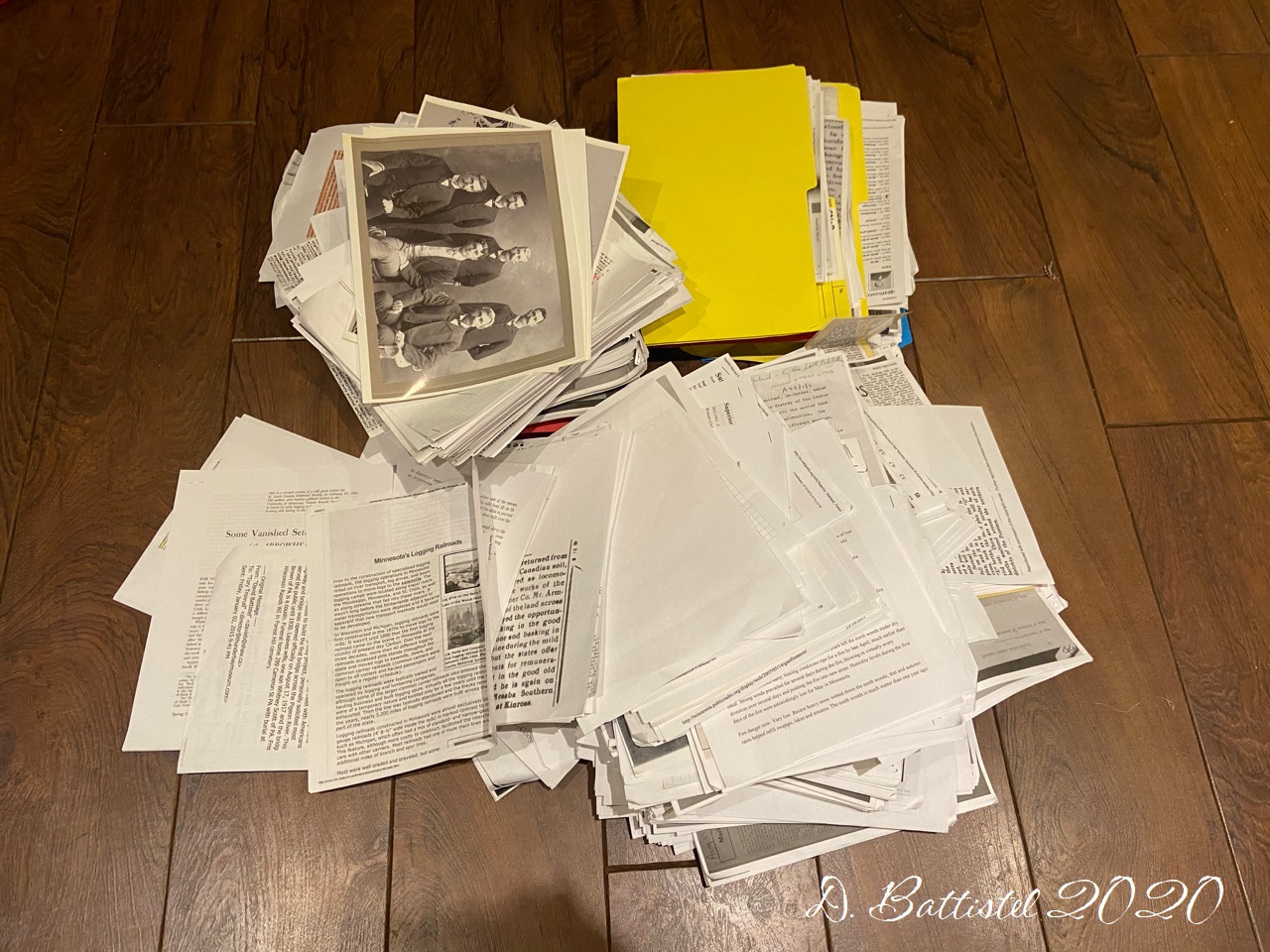
Piles of documents, January 2020.

Now speaking of expenses, I still have two trips (or more) that I need to undertake to finish this odyssey. The first is to Toronto, where I will need to visit the Archives of Ontario to find information about timber licenses and the incorporation of a company, the Arrow River & Tributaries Boom & Slide. My wife has bought tickets to see Bon Jovi on July 10th, so it will be somewhere around that time. Thankfully my brother lives in Toronto, so we have a place to stay while we’re there. Hopefully I can find all the material I need.

My second trip is one that I’ve discussed several times in the past and was actually supposed to happen in October. If you read my last post, I always travel to Gunflint for Canadian Thanksgiving with the boys. One of the big goals for the trip, one which I was very excited for, was the planned visit to Camp 8 with USFS archaeologist Greg Heide. Unfortunately, it snowed that weekend, which forced us to postpone until this spring. May cannot come soon enough! It is so important to the book to get some professional exploration of the site, which has already and might continue to provide a treasure trove of information. Hopefully the weather cooperates this time!

Anyway, I better get moving; there are always a million things to do around here. I’ll be back as soon as I can with the latest updates. Until then…

 
Leave a comment

Posted by on January 31, 2020 in History, Railway, Research, Writing


Tags: , , , , ,