RSS

Tag Archives: BWCA

PAD&W Railway of Minnesota 2013 III

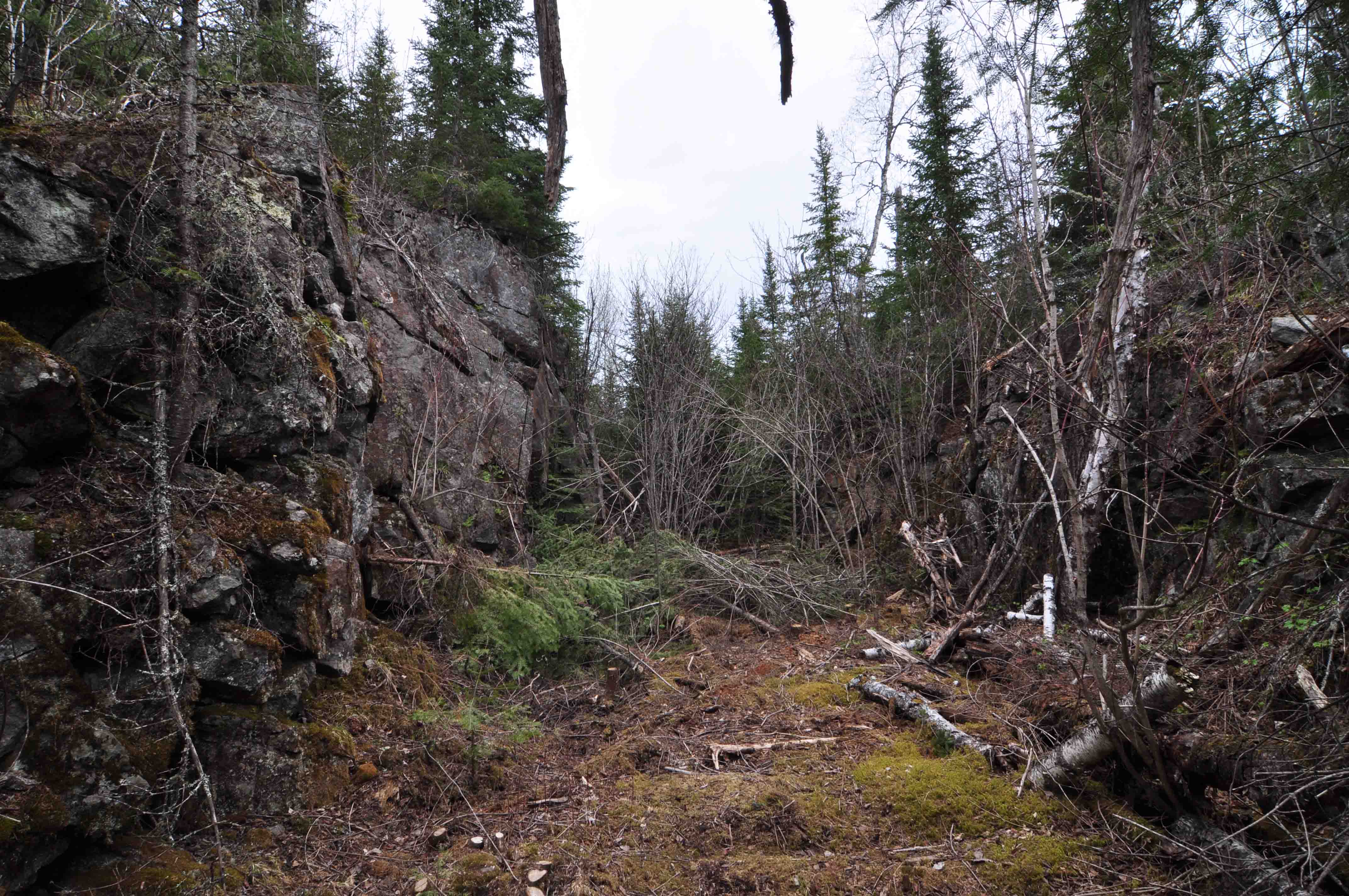
This week’s episode of our YouTube tour of the PAD&W takes us to the section of line near Round Lake, MN (MP 89.5). After looping around a small lake and going through a double-trestle switchback, the grade continues to ascend along the northern face of a ridge. The engineering work is again heavy, with several cuts, a high embankment and a long, dark 300-foot rock cut. The views are spectacular.

 
Leave a comment

Posted by on January 10, 2019 in Hiking, History, Railway, Video


Tags: , , , , , , ,

PAD & W Railway of Minnesota 2013 II

This week’s episode of our YouTube tour of the PAD&W takes us to the section of line near Round Lake, MN (MP 88.5). After following the valley of the Cross River for a mile and a half, the railway now had to climb 200 feet in a very short distance to reach the Paulson Mine. Railway engineers looped the grade around a small lake before ascending into a double-trestle switchback.

 
Leave a comment

Posted by on January 4, 2019 in Hiking, Railway, Video


Tags: , , , , , , ,

PAD&W Railway of Minnesota 2013 I

This week’s episode of our YouTube tour of the PAD&W takes us to the section of line near Round Lake, MN (MP 88.5). After following the valley of the Cross River for a mile and a half, the railway now had to climb 200 feet in a very short distance to reach the Paulson Mine. Railway engineers looped the grade around a small lake before ascending into a double-trestle switchback.

 
Leave a comment

Posted by on December 27, 2018 in Hiking, History, Railway, Video


Tags: , , , , ,

PAD&W Railway of Minnesota 2012

This week’s episode of our YouTube tour of the PAD&W takes us to the section of line west of Gunflint Narrows (MP 85.5). After crossing the international boundary on a high trestle, the railway continued along the shore of Gunflint Lake in Minnesota. The grade was blasted out of sheer cliffs in many places, creating some very high, lengthy rock cuts. As one could imagine, the cost of construction in the area was immense.

 
Leave a comment

Posted by on December 18, 2018 in Hiking, History, Railway, Video


Tags: , , , , , ,

Gunflint Narrows 2012

This week’s episode of our YouTube tour of the PAD&W takes us to Gunflint Narrows, the Canadian terminus of the line (MP 85.5). From here the railway continued west across the narrow channel between Gunflint and Magnetic Lakes and into the State of Minnesota. A station and hotel were located in the area, along with a small population of settlers and Indigenous people. The First Nations considered the waters of the Narrows, the Cow-o-bob-o-cock (where the rock ledges come together), a place where evil spirits resided.

 
Leave a comment

Posted by on December 11, 2018 in History, Railway, Video


Tags: , , , , , , , ,

Gunflint Cross

Hey, so let’s try something a little different for a change. Since I’m not always able to write a full blog regularly, I thought I’d copy a little initiative I’ve been doing on social media.

Since January, I’ve been featuring videos from my YouTube channel on social media, which highlight parts of the line. These videos date back to 1997 and I am still producing new ones regularly. Part of their purpose is to promote the history of the railway as well as to chronicle some of the physical remains of the line and its infrastructure before it all disappears. I know I started this many months ago, I am doing this rather mid-stream, but there never can be too much publicity. In any case please enjoy!

This week’s episode of our YouTube tour of the PAD&W takes us to the section of line west of Leeblain (MP 84). Here, in October 1892, crews were working a rock cut for the right of way. Unfortunately one labourer, Joseph Montegia, was tragically killed in a blasting accident. In his memory, his fellow workers carved a cross in the side of the rock cut near where he died. It still remains, 126 years later, as a silent tribute to all those that toiled constructing the railway.

 
Leave a comment

Posted by on December 3, 2018 in History, Railway, Video


Tags: , , , , , , , ,

Hey, who opened the refrigerator door?

Hey, who opened the refrigerator door?

Refrigerator door? Is that a bad thing? Are we worried about the milk or something else spoiling? I know, it’s one of your ridiculous metaphors, but pertaining to what exactly? Well, if you’re a regular reader, you’ll know exactly what it refers to. So, what does Dave routinely write about, well other than the railway? Hmmmmm…

Welcome to fall kids! While fall is one of my favourite times of the year, as you know, it is one of the craziest. I cannot believe we are already halfway through October; what a blur. Work is extremely busy as usual and between that and family life, there isn’t a lot of time to breathe. As our kids get older, their schedules get more hectic, like everyday hectic. Gee, isn’t parenthood a blast?

One of the things keeping us hopping is minor football. Since the boys play in different divisions (peewee and bantam), they play on different days (Wednesdays versus Saturdays) and therefore have different practice schedules. That means we are going everyday of the week, especially with playoffs coming up. And all of that is on top of high school football, which is now entering week five. Thankfully I have a fantastic wife who makes it all work.

Unfortunately, the only negative has been weather. Yes, I’m back on the weather train. Maybe I cursed it in my last post when I said that it had been great, which it was. Sadly, that changed in a real hurry…it’s like someone flicked a switch or opened the fridge door. The first part of September was awesome but the last three weeks have been downright miserable. It has been rainy and cold nearly everyday. At times the temperatures have been 10 degrees below normal and we’ve had like 150mm rain during that time. Maybe we’ve been spoiled the last number of years with gorgeous weather in the fall and this is nature’s way of reminding us that it isn’t roses all the time.

Last weekend was Thanksgiving Day long weekend, which meant that the boys and I made our usual trip to Gunflint Lake for a well-deserved break from the grind. This was the sixth year we would spend the weekend with our friends John and Rose at the Cross River Lodge for some boys time and field work. We had been blessed the previous five years with fantastic weather, but alas our luck ran out. There was no respite from the gloomy weather, which included early fall snowfall.

We left home on Friday morning, a bit later that usual as it was raining but that rain was supposed to stop by mid-morning. On our way to the border we experienced some snow, which was just a harbinger of things to come. By the time we arrived in Grand Marais, where we stopped for some supplies, the precipitation had stopped. While there we noticed vehicles with a significant amount of snow on their exterior, which made us wonder what it would be like at Gunflint. As we drove up the Gunflint Trail we found out. At the mid-trail point, we could see that more than 10cm of snow had accumulated on the ground. As we drove, Ethan commented to me that it was ironic that we were driving through snow while towing a boat. Thankfully Gunflint was on the edge of the storm system and only received a dusting of snow.

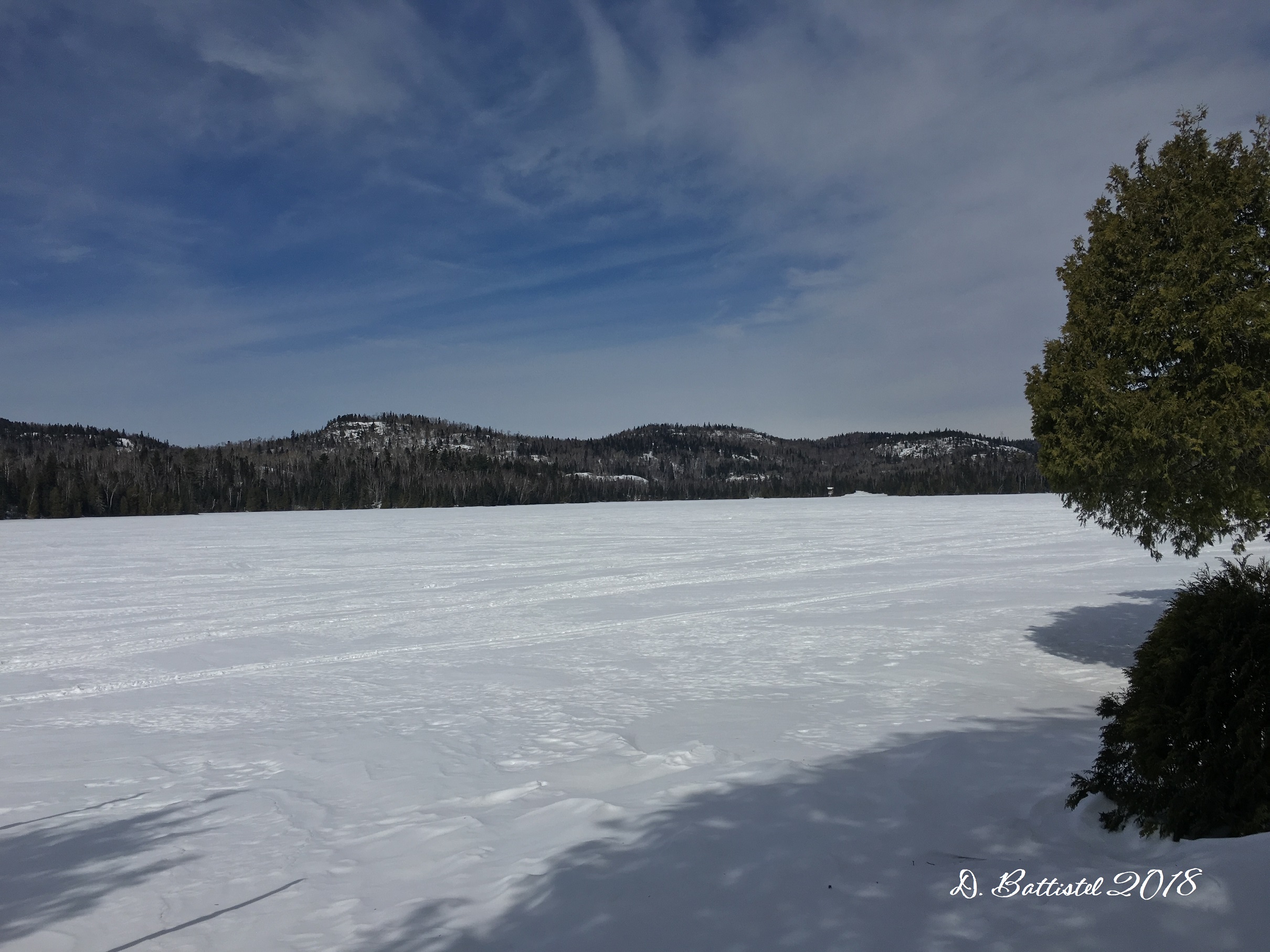
Gunflint Lake snow, October 2018.

With some snow on the ground and very windy conditions, we decided not to head out that day. That gave me some time to relax, plan the hikes for the next few days and get ready for that evening’s presentation. As I had the two previous years, I would be doing a little lecture at the lodge on an aspect of the area history. This year it was Leeblain, the ghost town on the Ontario side of Gunflint Lake whose story was intertwined with that of the railway.

The next morning, we headed out on what was a foggy, misty morning. It was quite chilly, especially on the boat ride across the lake. The ground was wet from all the rain and snow that had come down, but it could have been worse had the summer not been so dry. Our first stop was Bridal Falls, or least the trail that takes you to it. Last year I had planned to shoot some video at the site of the former corduroy trestle of the Gunflint and Lake Superior Railroad beside the falls, but the batteries on my wireless microphone were dead. We managed to get that footage this time, as well as record the rock cut above it with Ethan’s GoPro.

Bridal Falls, October 2018.

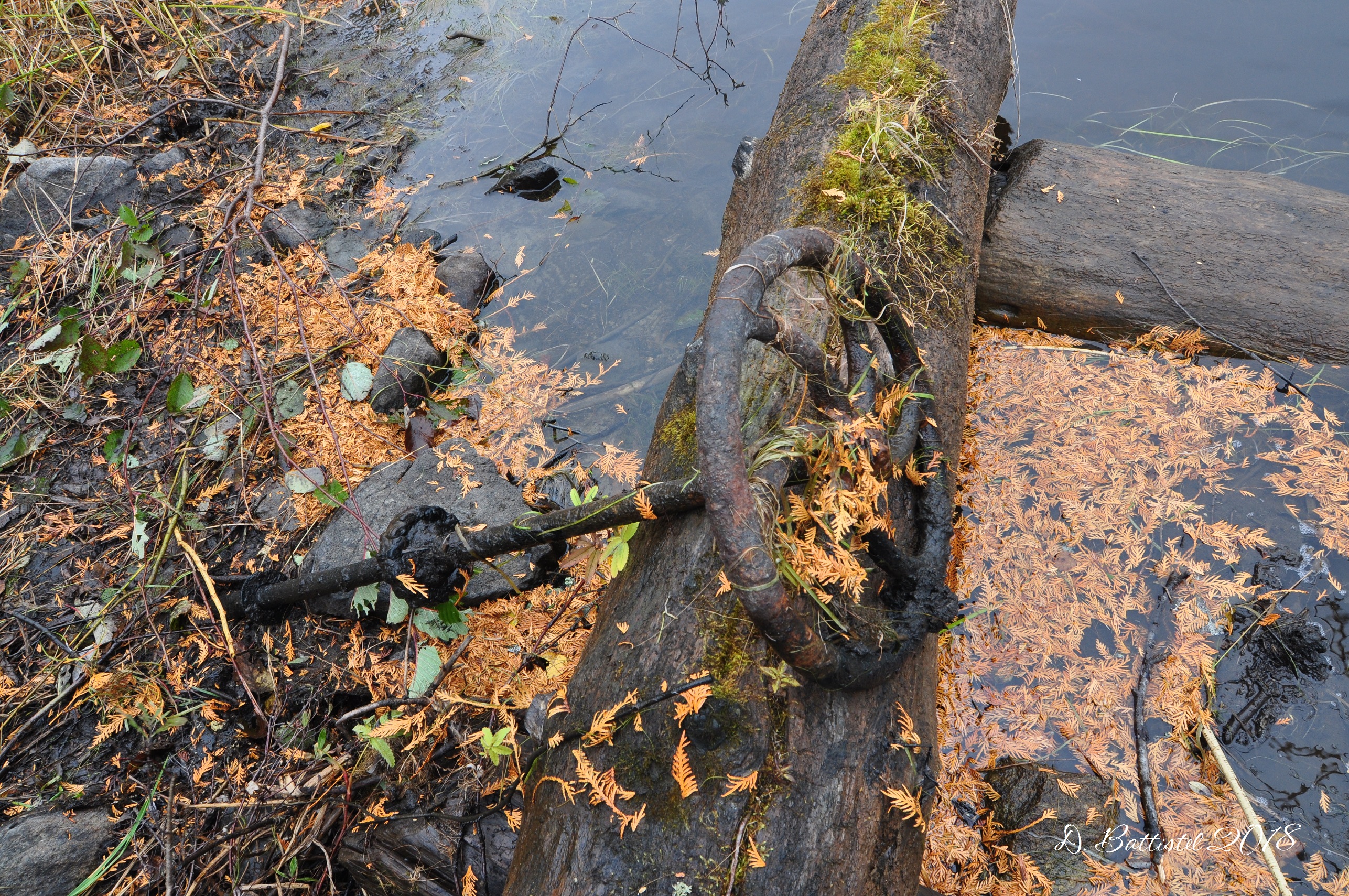
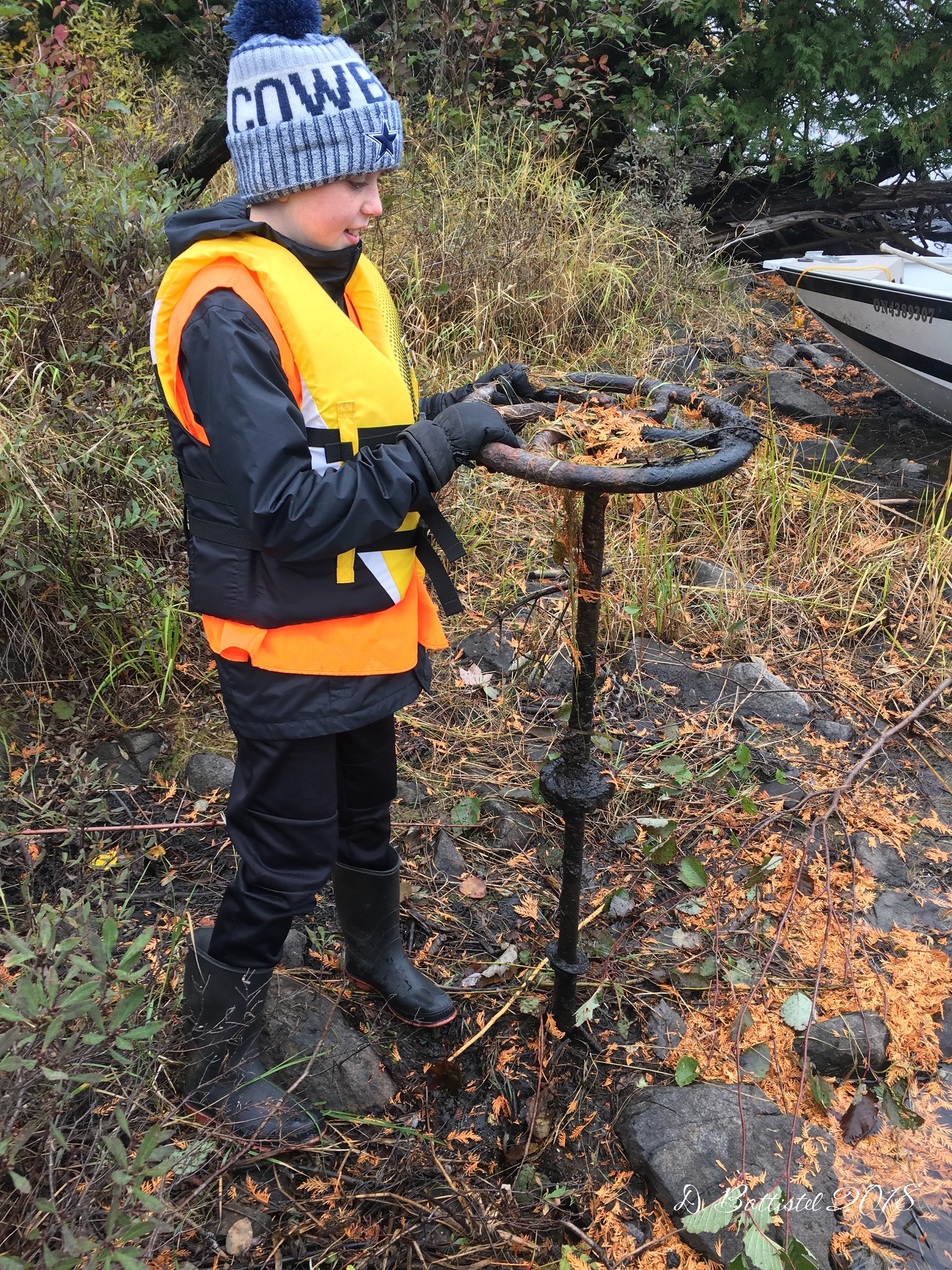
From there we travelled 3km northeast to where the G&LS crossed a small creek just south of the international boundary. I had been there on several occasions before, but just like the corduroy trestle, I wanted to get some footage with the wireless microphone. On the approaches to the creek, we realized just how low the lake levels were. Parts of the shore I never seen before were exposed and water depth dropped to less than a foot. It was not easy to maneuver the boat around in that environment, but I managed. In the process, I made a neat discovery. Back in 2011, I was sent the image of a rail car brake wheel taken at the crossing by some of the guys from the US Forest Service. With the low water levels, I found the wheel as well, shocked that there was quite a length of shaft attached to it.

Hand brake wheel, Gunflint Lake, October 2018.

Hand brake wheel, Gunflint Lake, October 2018.

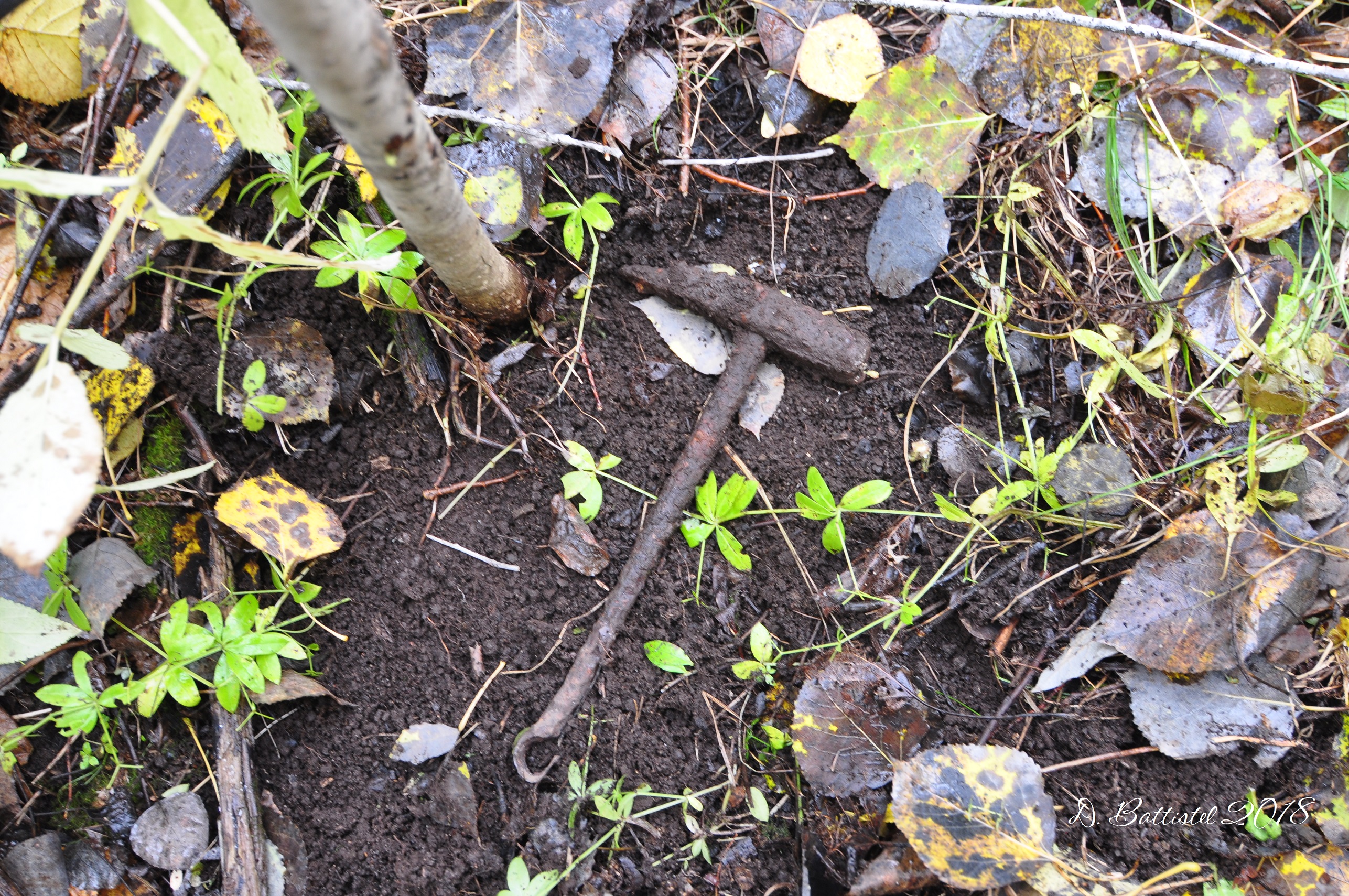
Our next stop was to the south at the site of Camp 4, which was the first of two logging camps belonging to the Pigeon River Lumber Company. Some of the areas logged by the company east of Camp 4 were several kilometres away, and I wanted to see if a spur had been built eastward from the main line. While my search came up empty for now, I did make some neat discoveries. I turned up a few horseshoes, and what I thought was a blacksmith hammer. As it turns out, it was a hammer, but not what I thought it was. After putting it up on social media, it turns out it was a snow knocker, a hammer used to remove snow and ice from the bottom of horse’s hooves, and there were many horses used for these logging operations.

Horseshoe, Camp 4, October 2018.

Horse snow knocker, Camp 4, October 2018.

On our way back to the lodge, we made a slight detour to the Gunflint Narrows, as the low lake levels caught my attention. I’ve been to the Narrows on many occasions in the past, but I don’t think I’ve seen the rocks and bridge remains that exposed before. We didn’t linger long, but I did manage to snap a few photos from my phone.

Gunflint Narrows, October 2018.

Gunflint Narrows, October 2018.

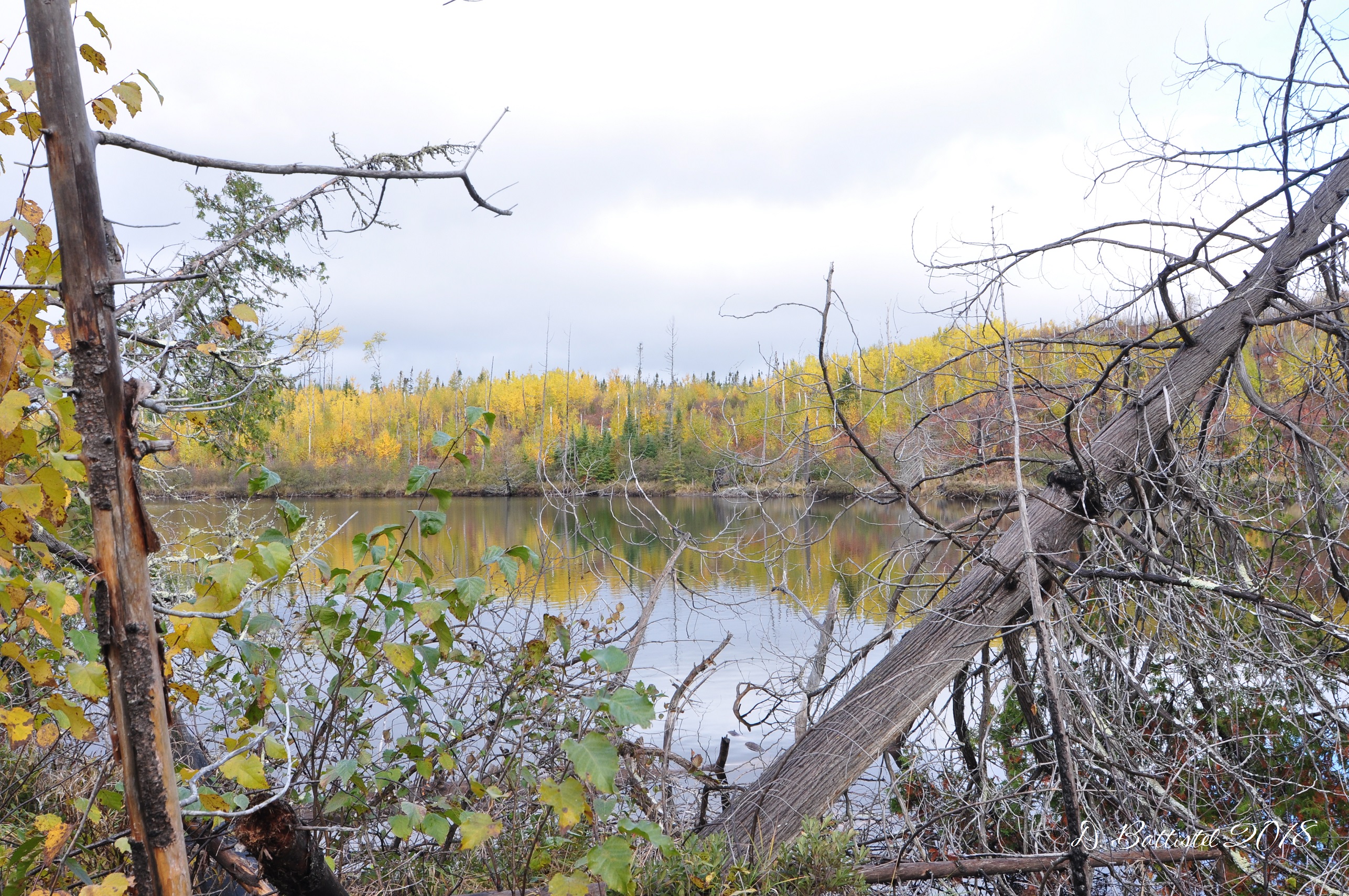
After breakfast on Sunday we left the lodge, this time by truck, for the day’s work. Our destination that day was parking lot for the Crab Lake Spur of the Border Route Trail near Loon Lake. The boys and I would make the long trek to the site of Camp 8, the second logging camp of the PRLC. After re-discovering it back in 2017, I had last visited the camp back in May. I had spent some time then taking measurements and photographs of the eight structures and debris there. The plan was have the boys help me take more detailed measurements that would help pinpoint the exact location of the structures.

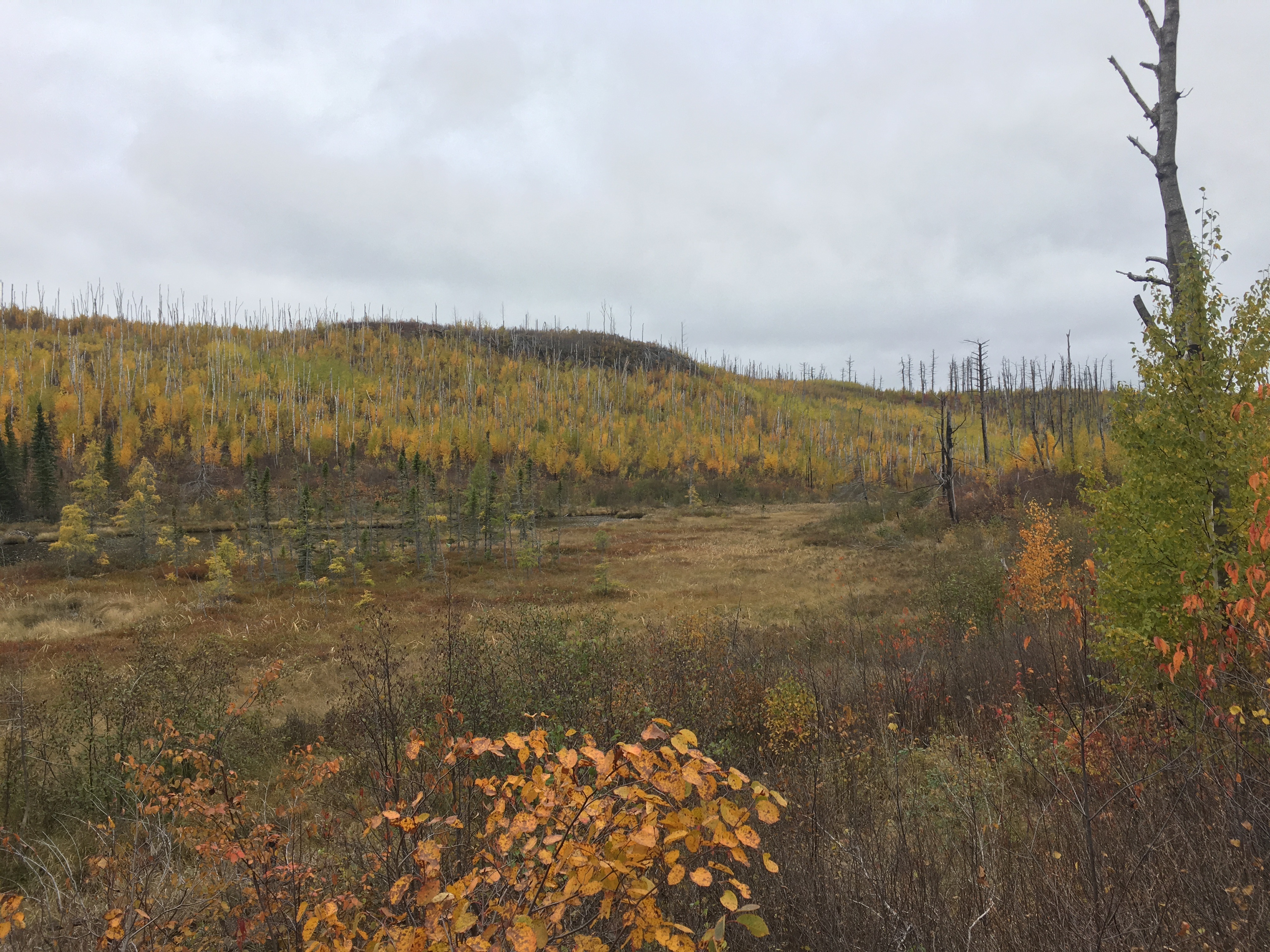
Although it was not sunny, it was a bit warmer that day and the walk along the trail was pleasant. Fall is a beautiful time of the year to be on the Boundary Waters and this was no exception. My only regret is that opportunities to experience this are very fleeting.

Crab Lake, October 2018.

Crab Lake, October 2018.

Crab Lake, October 2018.

Crab Lake, October 2018.

Whisker Lake, October 2018.

Whisker Lake, October 2018.

Getting to Camp 8 requires quite a bit of “bushwhacking,” which was not particularly easy given the deadfall in the bush and the fact that it was still wet. Just after 11am we arrived at the camp and after a quick look at one of the debris fields, we started taking measurements. Ideally, I would love to have a sub-metre accuracy GPS, but the cost of such a device makes it prohibitive. I tried doing it the old-fashioned way, triangulating two structures to a central reference point. It didn’t really work out the way I thought it would, but it was worth the try.

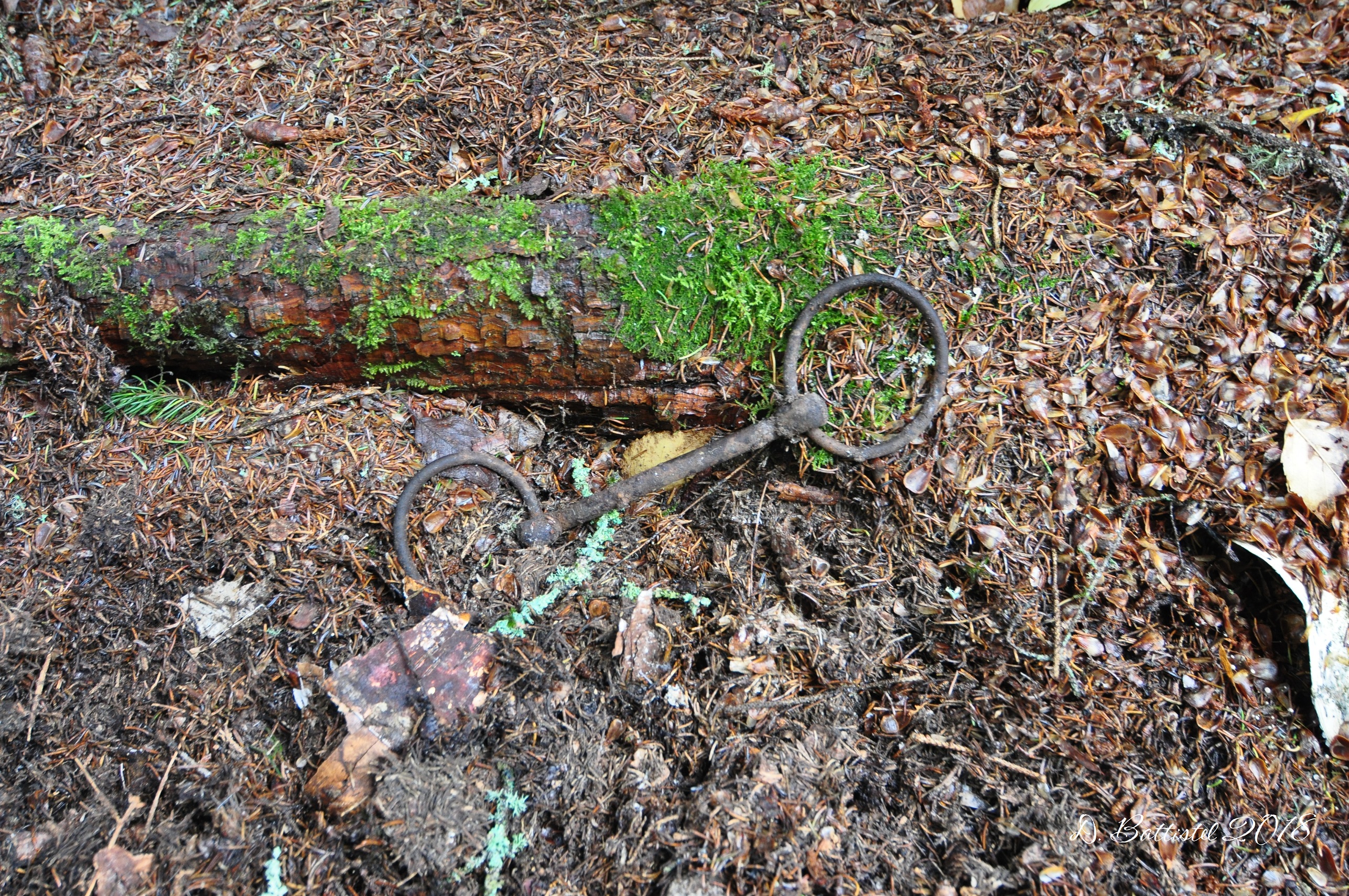
I spent the remainder of time taking more photographs and recording the structures with my son’s GoPro. I though the wide-angle view of the GoPro would give a better perspective but unfortunately, I was only able to record six of the eight buildings as the battery died before I could get to what I believe are the two stables at the site. I’d like to go back next spring and finish the job, and maybe I can get my hands on one of those GPS to get all the data I need. The best discovery of the day was what I thought was part of a horse bridle near the southern wall of one of the stables. Turns out it is a bit, which helps to confirm my theory. Hopefully I can get some experts from the USFS in there at some point to do more detailed explorations.

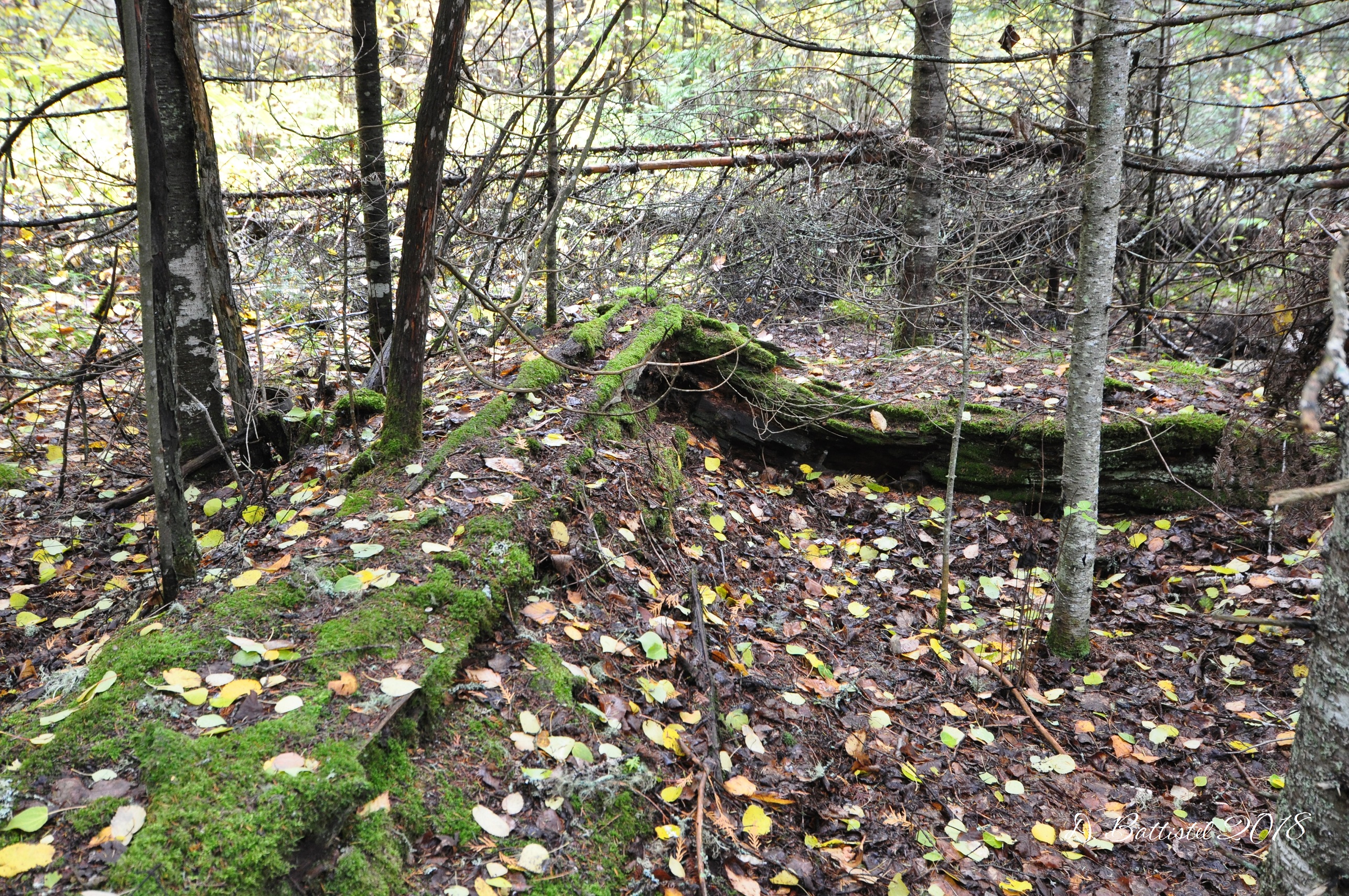
Building foundation, Camp 8, October 2018.

Building foundation, Camp 8, October 2018.

Bridle bit, Camp 8, October 2018.

It was sad to head back home on the Monday, but I already booked our return visit for next year. Interestingly, the hikes I did at Gunflint was not the only railway related work I’ve done recently. If you read my previous post, my visit to La Crosse brought up some important leads, especially regarding the early history of the PRLC. This has led me to many new discoveries regarding the company and even other, earlier, attempts to log the Pigeon River. I’ll write more about these in my next post.

Anyway, it’s time to go. I’ll be back soon, likely when football is over and I have more time to breathe. Until then…

 
Leave a comment

Posted by on October 7, 2018 in Hiking, History, Railway, Research


Tags: , , , , , , , ,

The heat is melting my face and I can’t find any cream soda!

Have you ever watched the movie “Raiders of the Lost Ark?” If you have, do you remember the final scene? You mean the one where the ark was boxed up and stored in a warehouse? Uh, I guess the one before that. You know the iconic one, where the Nazis open the ark and their faces melt? Ya, that one! So, have you ever been so hot that you felt as if that was going to happen to you? Yes, no? Almost had that exact scenario occur the recently and you know you’re going to have to keep reading to find out the how and why.

Hey, it’s summer kids! Ya, I know I’m a little late, but as you can tell, I haven’t posted anything in almost two months. Sometimes life gets in the way! Anyway, it’s been a good vacation so far as the weather has been fairly cooperative (maybe not in the coming days) and it has been very relaxing. The only issue is that it is going by too fast…July is almost over! Where has the time gone? I know, time flies when you’re having fun, but it still doesn’t make it better.

So, most of our time this past month has been spent at camp (we’ve been through this discussion many times). We’ve only slept at home four times since school ended, which is great but also means there are a lot of things to catch up on there once August hits. We’ve made the most of our time here, but unfortunately, it’s like having another house, so there’s always things to do. We built another bedroom in basement, which is almost done, and there is years worth of work to do in the yard. There has been time for relaxation though; swimming, boat rides, biking, entertaining and hiking. We’ve been busy!

Calm morning at camp, July 2018.

Sunset at camp, July 2018.

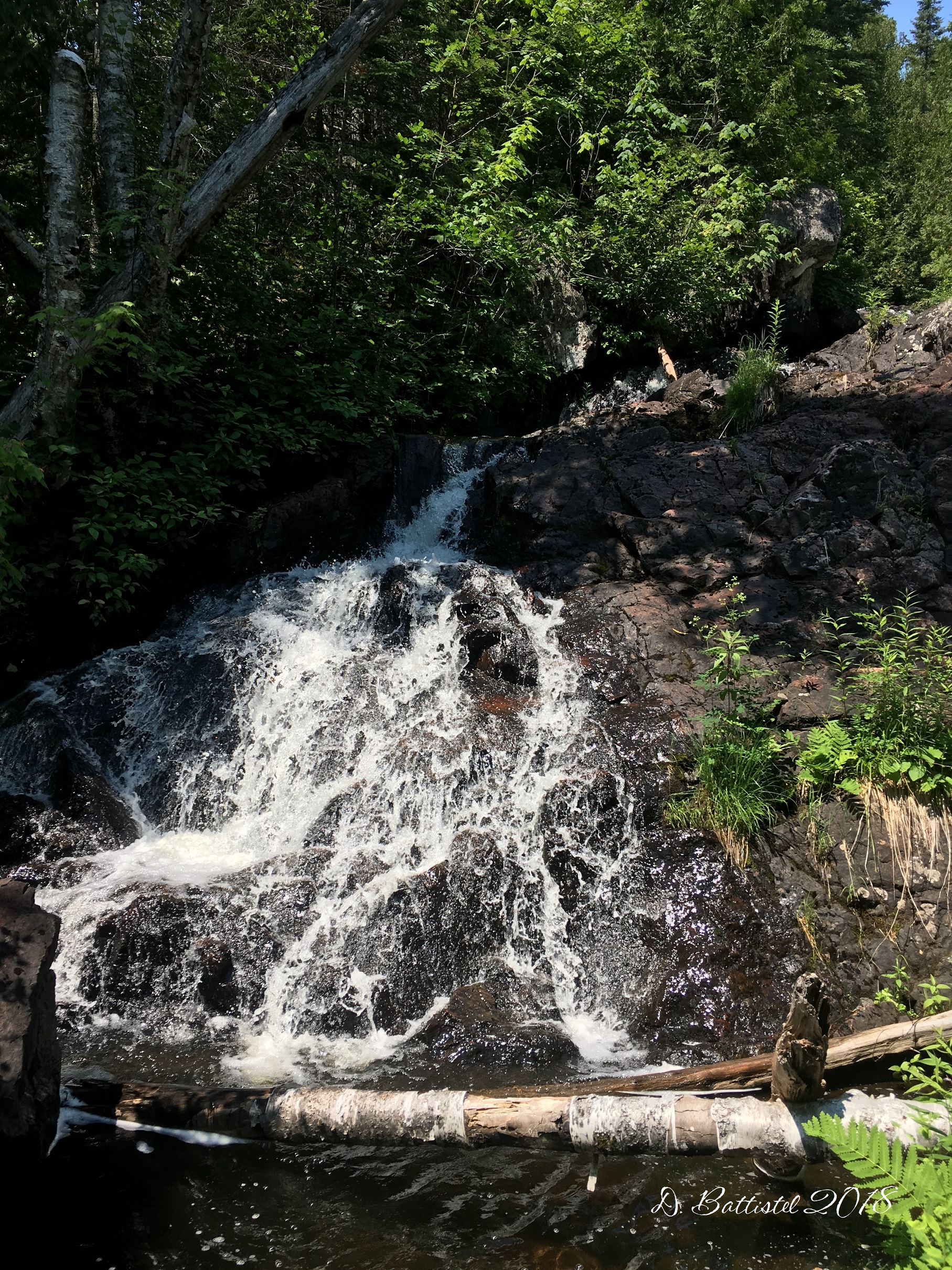
Waterfall, July 2018.

Sea Lion, July 2018.

Lake Superior, July 2018.

One of the rituals of camp is roasting in the sauna, or as any good Finlander will tell you, the sowna. According to the internet, ideal sauna temperatures are between 70 and 100C, which is usually where we’re at. However, lately I guess I’ve been stoking the fire too much because it’s been over 100C consistently. Last night it was 105C with 80% humidity, which is a little on the blistering side! It pales in comparison to the 115C I achieved a few weeks ago however. I had already had my sauna at a toasty 95C, so I guess I didn’t need to add more wood. When my wife went in, she said she couldn’t even sit in the sauna it was so hot, so she sat in the vestibule instead. She said it felt like your face was melting! You know what would have helped? A nice cold can of cream soda, but unfortunately, I couldn’t find it in stores for like two months. A travesty!

Keeping us busy this summer is a new addition to our family. Last year we had to put our dog of 13 years, Loki, down. People who own pets know that they are not just a pet, but family and Loki was an amazing dog. We decided over the winter that we would get another one, but while we loved our golden retriever, my wife wanted something with less hair and we had to get the timing right. Puppies need a lot of attention and we are very busy while school is on. It had to happen over summer. We originally looked at some goldendoodles, but there were no local breeders and their cost was a bit steep. By chance we happened on some labradoodle puppies and my wife fell in love. On the first day of vacation we drove to Fort Frances to pick up Luna. She is very cute, growing fast but also a pain in the rear. I forgot how much fun puppies are!

Luna, July 2018.

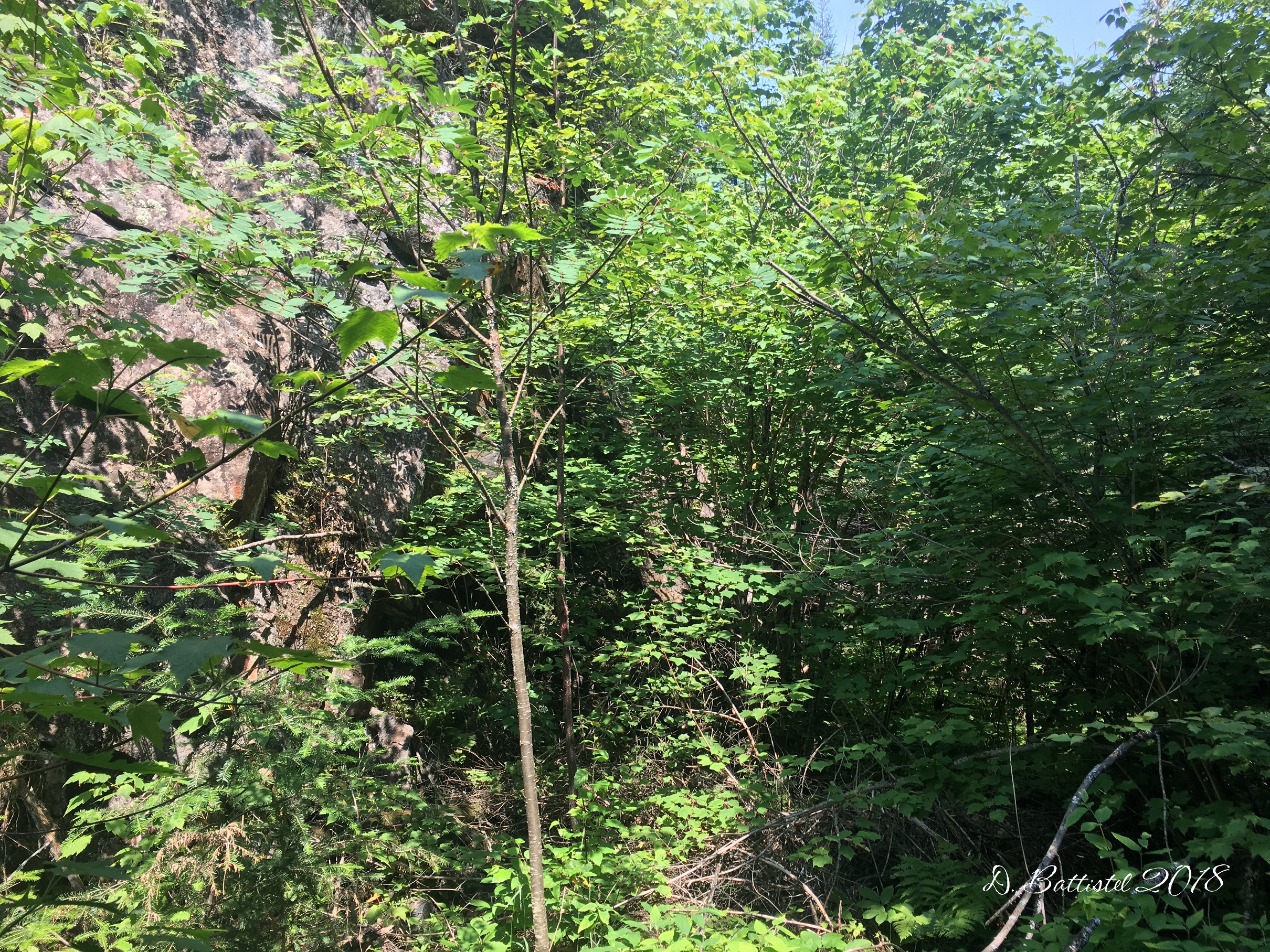
With everything going on, the railway front has been rather quiet, but has picked up as of late. Last Sunday I did a day trip to Gunflint to give another railway related presentation, this time on the life and times of John Paulson, the man behind the Paulson Mine. I always love travelling to Gunflint, and it is certainly one of my happy places. It was a bit of a longer drive this time, as I was coming from camp, which is east of Thunder Bay, but it was worth it. I arrived quite early, so I decided to go for a little walk along the Centennial Trail, which I have mentioned before covers part of the railway grade in Minnesota. In particular, I wanted to look at the rock cuts which form the switchback beside the Round Lake Road. I was shocked at what I found. Those two cuts had been cleared five years ago and were very easy to navigate, and while I know it is summer and it tends to be more grown in, nature has certainly come back with a vengeance. Definitely not a hike I wanted to be doing wearing crocs and dressed for my presentation!

PAD&W rock cut, July 2018.

Lower rock cut, May 2013.

PAD&W rock cut, July 2018.

Upper rock cut, May 2013.

PAD&W rock cut, July 2018.

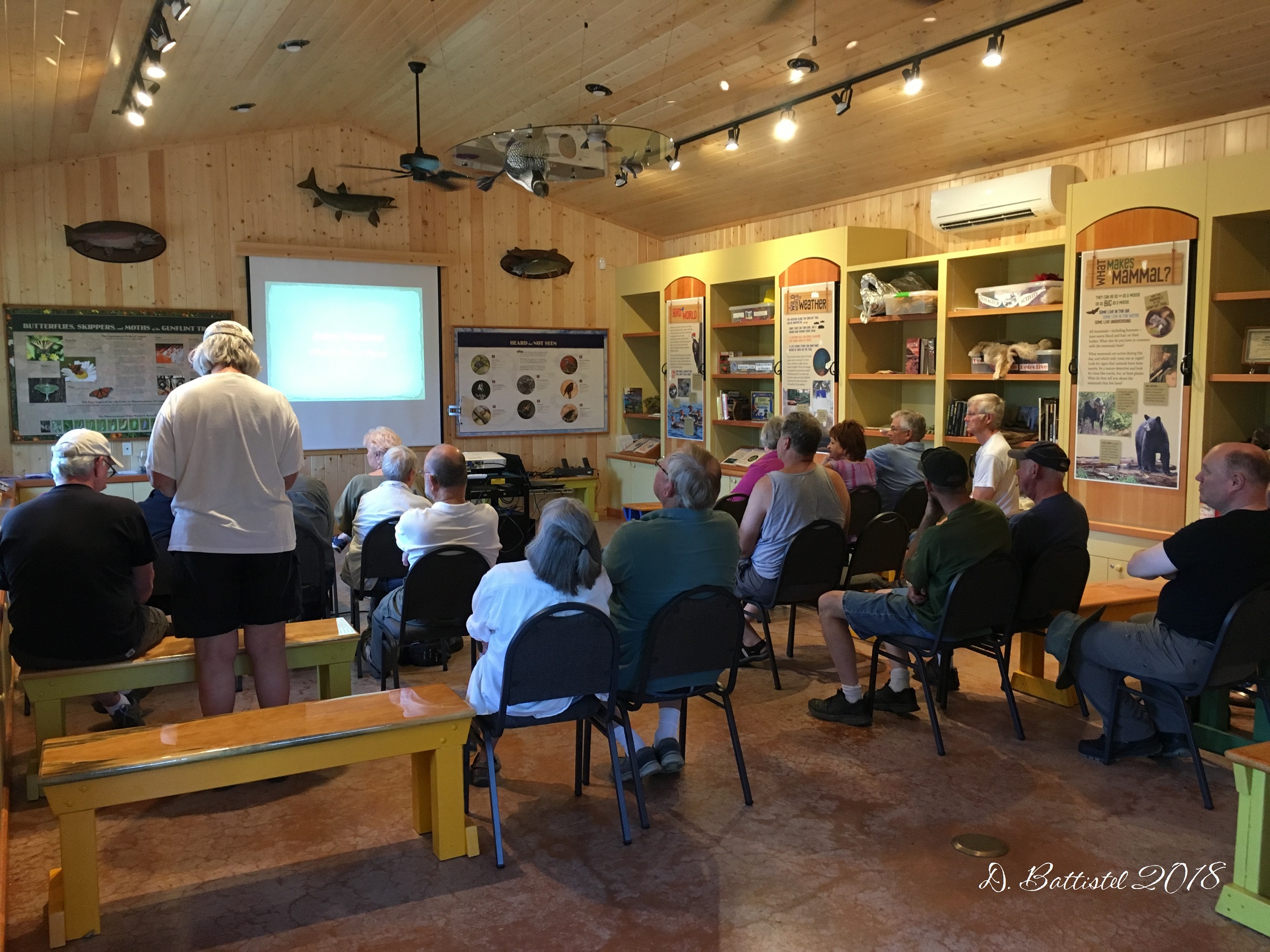
Anyway, the presentation was well attended as usual and the crowd really enjoyed the information I presented. I’ve already been invited back for next year, which means I need to start revising a previous slideshow I put together many years ago. I’m already looking forward to it as it ties in with an article I wrote on the ghost town of Leeblain.

Audience at the Chik-Wauk Museum, July 2018.

In less than a month the family and I will be in Minneapolis for a football tournament and while we were there, I decided to take the opportunity to do some railway research. While I was writing this past winter for my book on the Gunflint and Lake Superior, I noticed that I had a gap in my information. Two years ago, I travelled to La Crosse, Wisconsin to examine the files of Frank Hixon, the vice president of the Pigeon River Lumber Company. Between those documents and the Arpin Papers at the Cook County Museum in Grand Marais, I thought I had everything covered; turns out I didn’t. I guess I did not realize that the Arpin Papers had a gap in the fall of 1905 and therefore did not examine anything from that time in La Crosse. So, we are leaving a day early for our trip and heading first to La Crosse before proceeding to the Twin Cities. I hope I can find all the information I am missing so I can get most of the book written this coming year.

Anyway, it’s time to go. I’ll be back after my trip with all the latest updates. Until then…

 
Leave a comment

Posted by on July 26, 2018 in Hiking, History, Railway


Tags: , , , , , , , , ,

That moose gave me a heart attack!

Well, not literally, but it felt like it. You could imagine the headline though, “Moose gives man heart attack!” Not that I want to joke about something like that; first, because heart attacks are not something to joke about and second, I guarantee you, it’s happened before. Probably in Canada…I might just Google it. Anyway, I’m sure it took a few years off my life!

Wow, its almost June kids! That means school will be over in month, so another year bites the dust. Unfortunately there is still a ton of stuff to do between now and then, so much that I don’t want to even think about it. This is on top of everything going on at home. Football is over, but Noah’s baseball is in full swing, which occupies 3-4 nights a week. I’ve also spent the last few weekends at camp, as there are quite a number of things to do there. It never ends!

Fortunately the weather is cooperating. Up until a few days ago, we haven’t seen very much rain. We still need more, as it is still very dry. It’s been the nicest spring we’ve had in a number of years, especially compared to last year. I hope it continues, and we have a warm summer. Last summer was okay, but it wasn’t particularly warm by any stretch. I guess we’ll just have to see what happens.

Even though things are crazy, I was finally able to some railway work done. I had been looking forward to my first hike of the year from quite a while, and it was critical for my research on the Gunflint & Lake Superior Railroad. I decided this year to plan my hike for the Friday before the Victoria Day long-weekend, which would give me the whole weekend to go to camp.

So I headed down to Gunflint on Thursday after work. With everything going on lately, it was nice to not think about it for a while. I’ve always thought of the North-Gunflint area as one of my happy places, somewhere I can decompress. It was also nice to visit my good friends John and Rose at the Cross River Lodge…it’s like a home away from home.

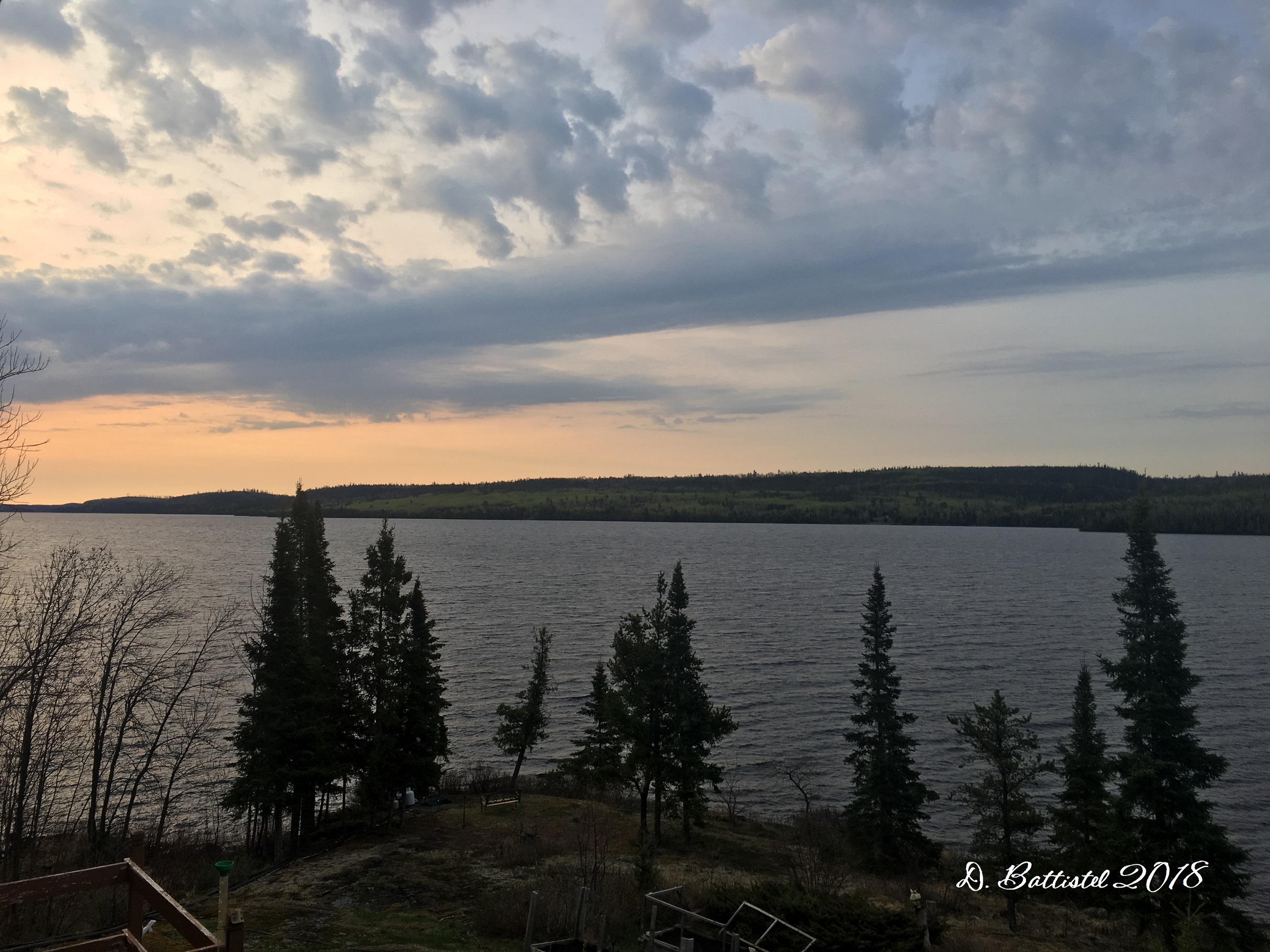
Sunrise, Gunflint Lake, May 2018.

The goal of the hike was two-fold; finish locating the grade of the G&LS and explore more of Camp 8. It was a beautiful morning, and I had a long walk ahead of me. From the parking area, it was a 6km walk to where I would start my work. As I walked east along the Border Route Trail, I could already feel the heat building and I knew it would be a very challenging day. It was about two-thirds of the way to my destination that it happened.
Whisker Lake, May 2018.

I was in a hurry to get to my starting location, so I was walking quite quickly along the trail. And then I heard it…the distinctive “crack” of a branch breaking. Small animals don’t break branches like that, so my mind starting racing; bear? Proceeding slowly forward, my heart stopped when a large moose wheeled about 25 feet in front of me and took off through the bush. It took quite a while for my heart rate to recover from that!

Once I reached a point just northwest of Topper Lake, I proceeded south to where I thought the railroad grade would be. It was strictly a hunch; the previous year I had lost the line well to the west and hoped by starting further to the east I might luck out. Turns out, I did. Not far from the trail, the area was flooded by a large beaver pond, and fairly quickly I found the first trace of the railroad, a spike. That forced me into a tough decision; keep going west or try to see if there were more traces to the east. I decided on the latter.

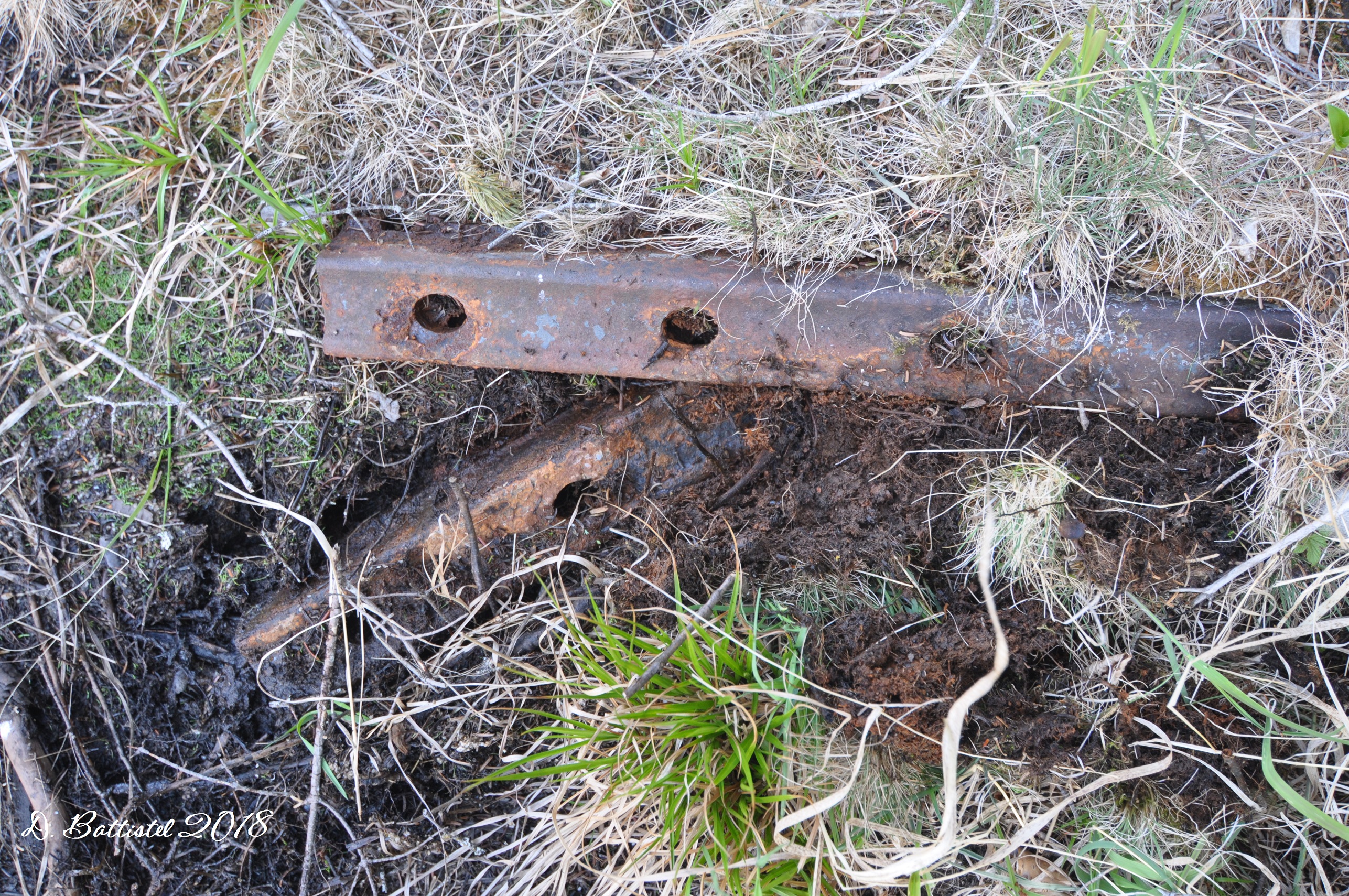
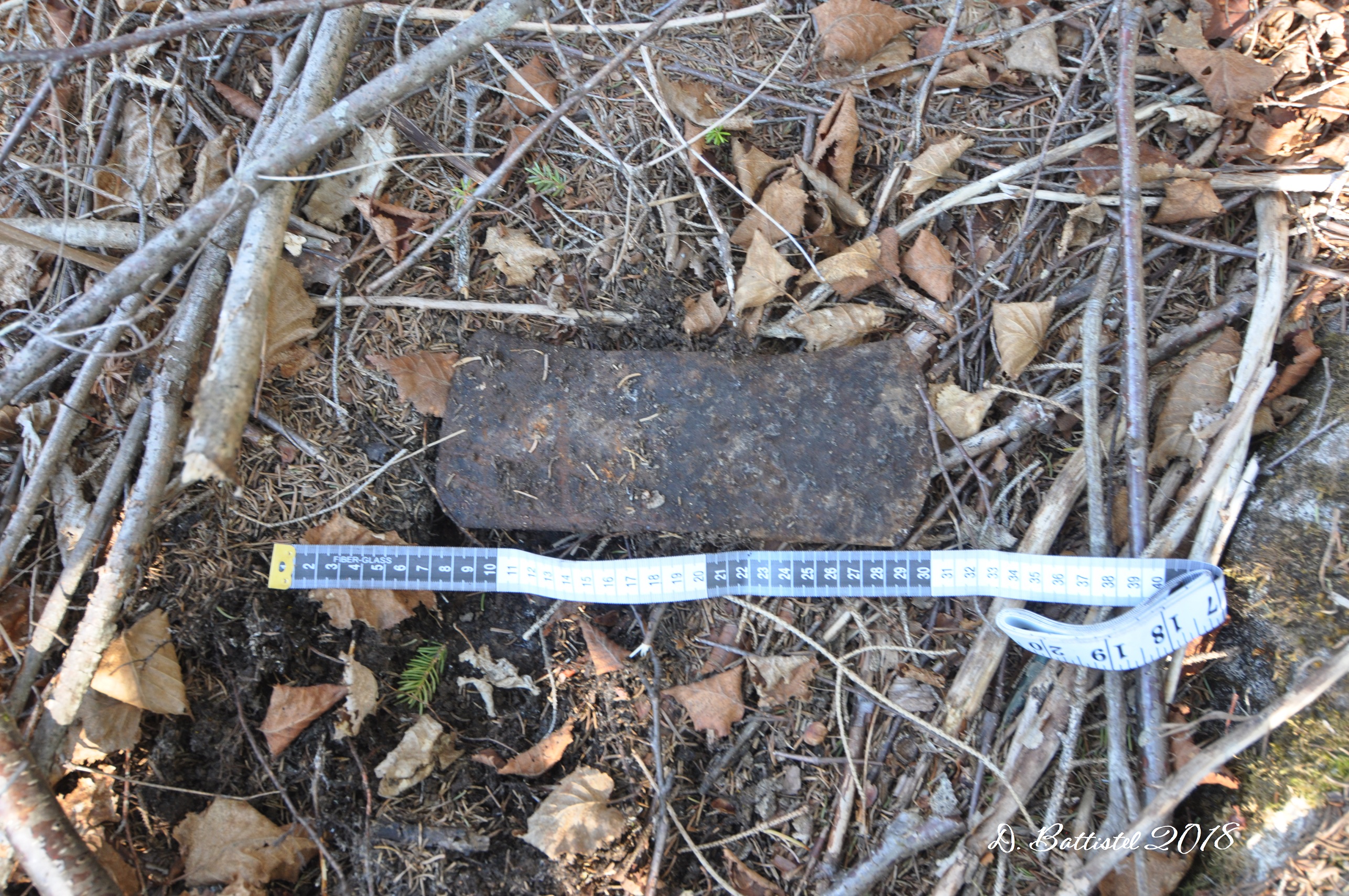
Within a short distance I had located a couple of fishplates, which were used to join sections of rail together. Metres away, I made an amazing discovery; an axe blade. To find something like this away from any camp or settlement I would imagine is rare and it happened just by fluke. It made me wonder though, how did it end up there? Was it forgotten, abandoned…I’m sure if axes could talk! I so wanted to pick it up and get it to a museum, but I promised the guys at the Forest Service (these are Federal lands) that I would not remove anything.
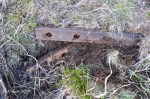
Fishplates, G&LS Grade, May 2018.

G&LS Grade, May 2018.

Axe blade, G&LS Grade, May 2018.

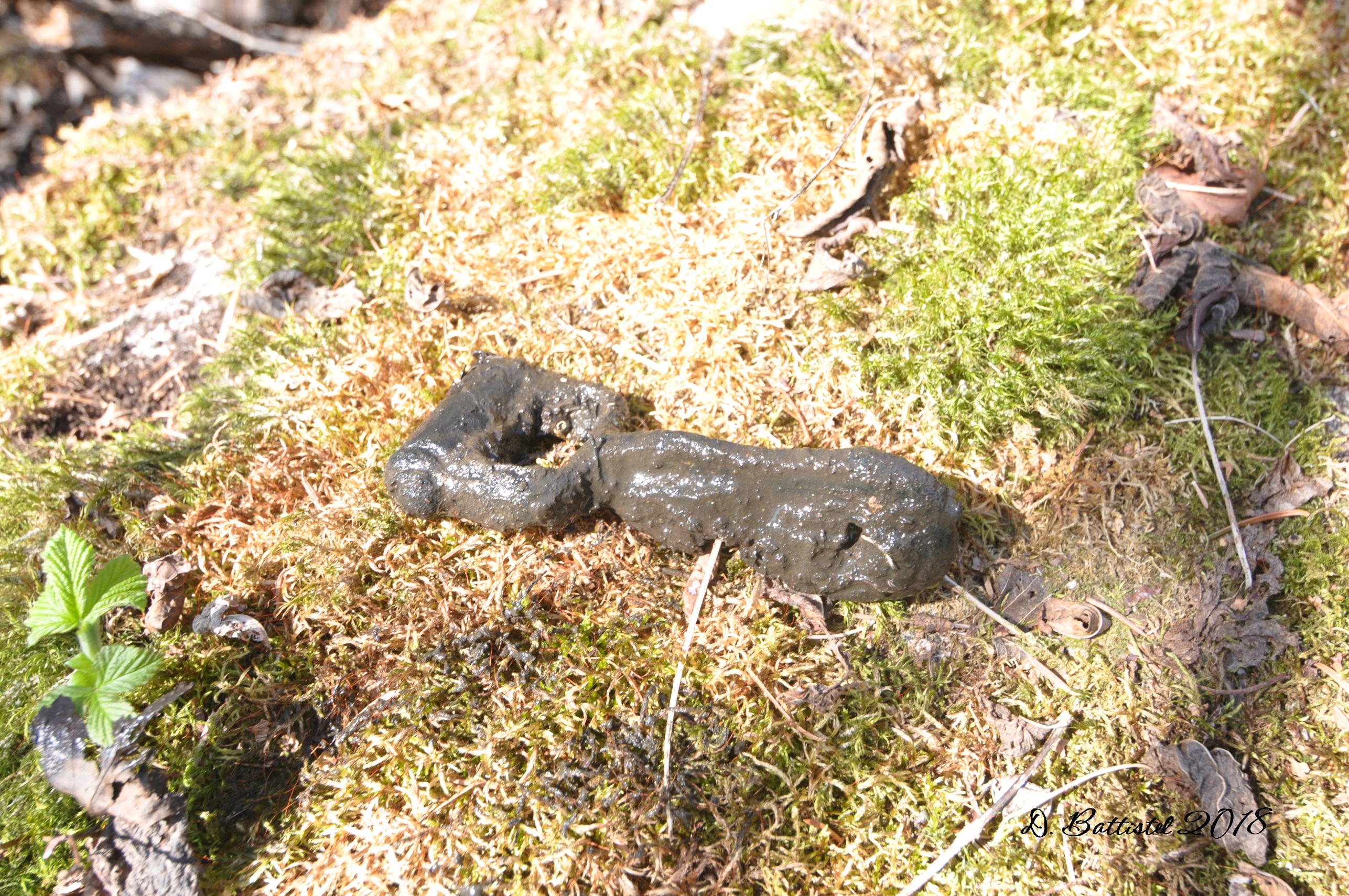
Farther east, past the beaver dam, I located another couple pieces of fishplate and a mystery object. It was in the creek flowing into Topper Lake, so I root around in the mud to find it and when it emerged, I had no idea what it was. I figured it was something from a horse harness, which as it turns out, it was. Closer to the lake, I came across a coil of wire, which resembled some of the “telegraph wire” I encountered along the grade. This means the railroad grade actually corresponds with what is shown on a 1926 map of the area.

Horse harness piece, G&LS Grade, May 2018.

Turning around, I retraced my steps back to where I started and continued westward. I located another spike a hundred metres or so from my initial find, and that was it. From there it was a difficult slog more than 700 metres to where I had last found traces the previous year. It was a wet, swampy area, full of thick bush and deadfall, which made the going very challenging. On top of that, the temperature was climbing the whole time, so I was sweating like a hog and getting winded. It is at times like these that you wonder why you put yourself through this type of abuse. Like, why can’t I be normal and sit on my deck and drink like other people on their day off? Then I remember that conforming is boring!

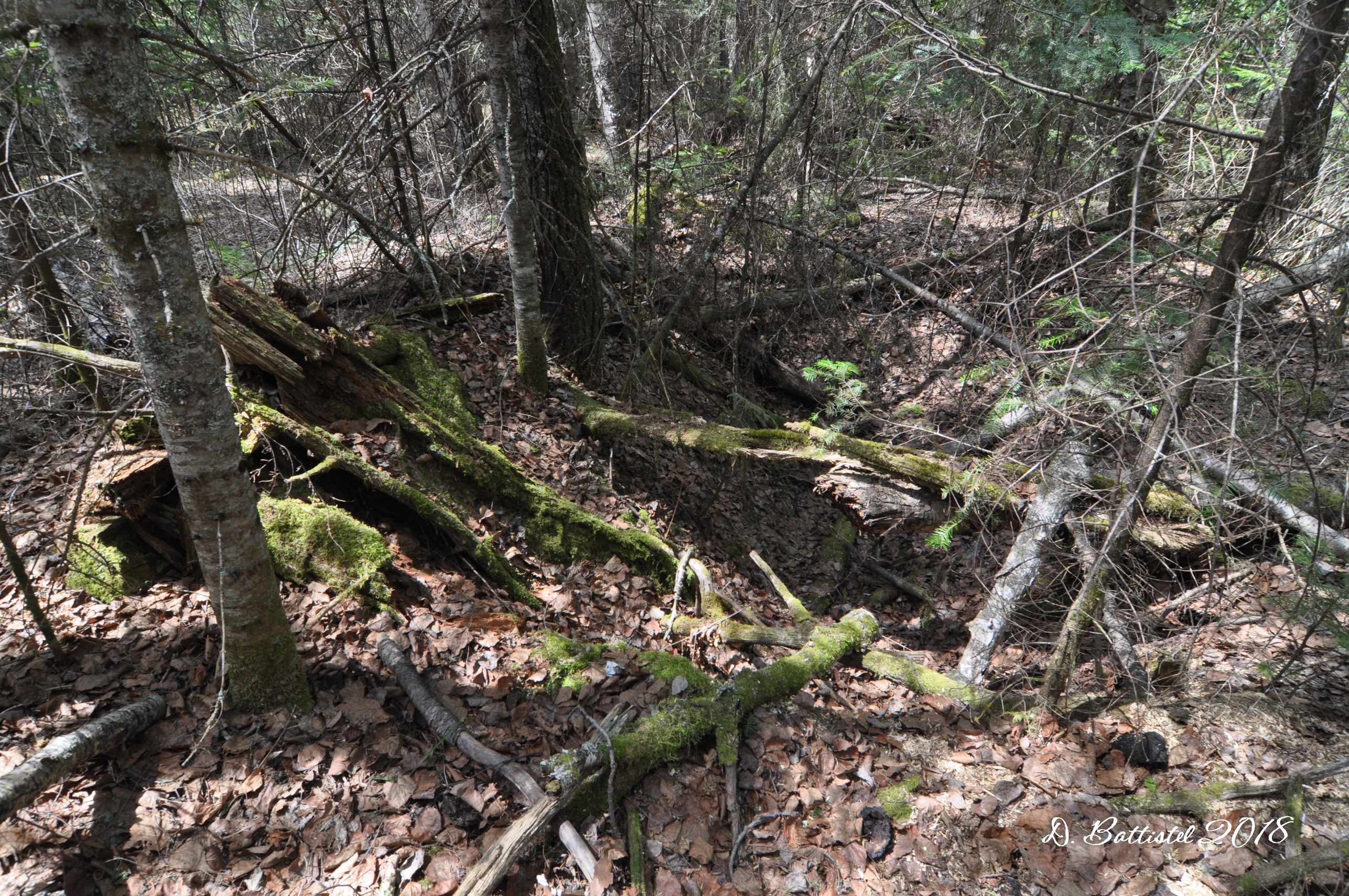
Once I had re-acquired the grade, it was another few hundred metres to reach the site of Camp 8 (which I am pretty sure was renumbered Camp 11 in February 1908). I hoped to have a decent amount of time to explore the old logging camp, which has seen little human interference since it was used from circa 1906 to 1909. After my visit last year, and a quick examination by technicians from the US Forest Service a week later, I had a better idea of what was at the site.

My first goal was to try and pinpoint each structure. In 2017 I had found 3, and the Forest Service guys had located another 3; from some research I did, I believed there were 2 more, raising the total to 8 (which would match the same number at Camp 4 on Gunflint). I would then attempt to measure each structure and the distance between them. This was rather tricky to do by myself, but I think I did an okay job.

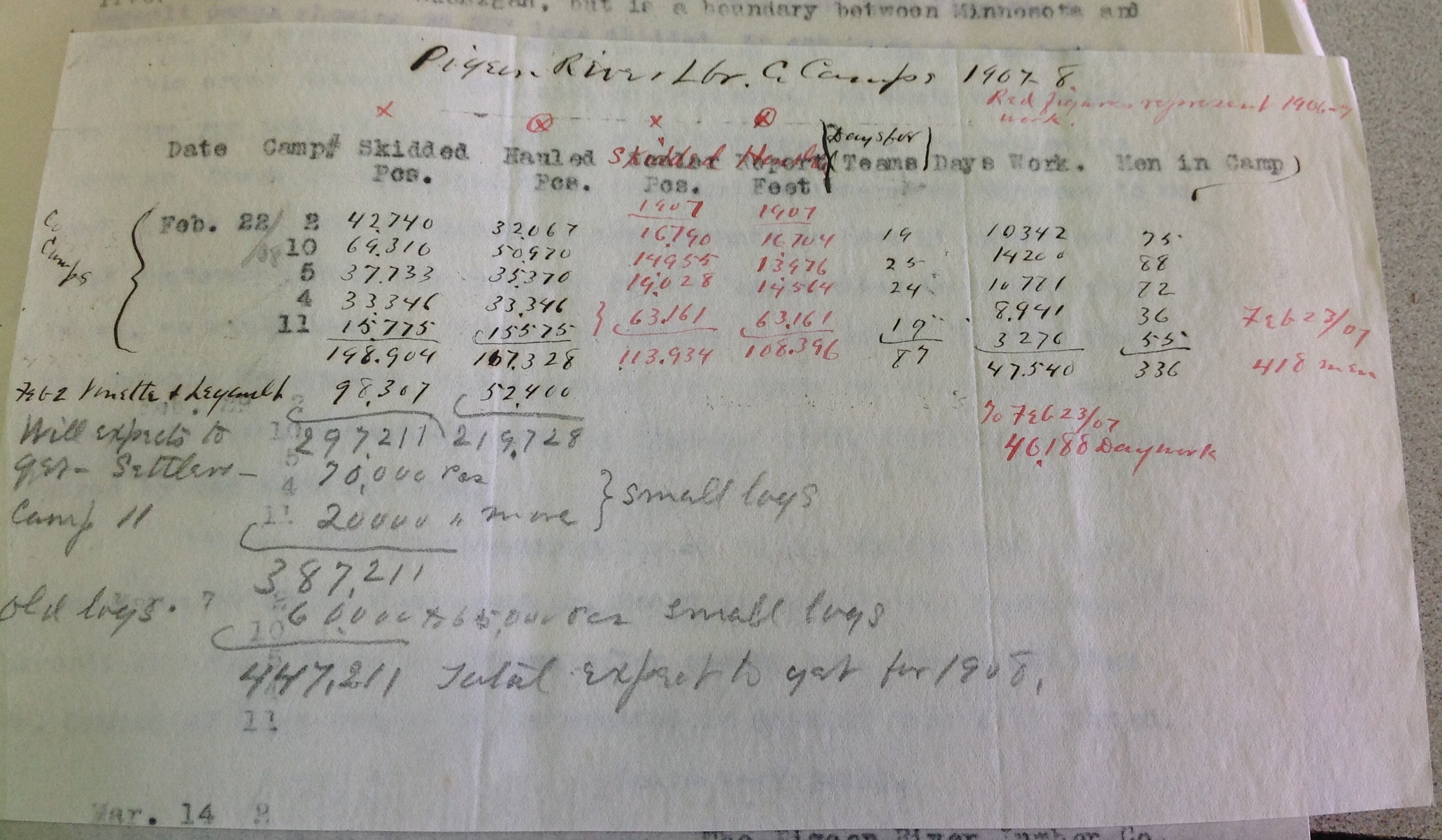
So I was able to determine, at least in my mind, that there were in fact 8 structures. There are 5 located just north of the grade, 4 of which are fairly large. The two westernmost are approximately 33 ft. x 52 ft. and are situated close together. Their berms are not well pronounced and they are 50 ft. away from the other buildings, so I am assuming that these might be the horse stables. According to statistics, there were 19 teams of horses working at the camp in the winter of 1908.

The next three southern structures are about 20 ft. from each other, with two larger ones bookending a small one and have very well defined berms. Both larger buildings are approximately 35 ft. x 60 ft., though the eastern one has a 20 ft. x 20 ft. section on the back. The middle building of the three is considerably smaller at 24 ft. x 26 ft. If I had to guess, I would say that they are, from west to east, the bunkhouse, van (office) and cook house. The only way to know in any certainty is to do some excavations inside the berms. The same 1908 data quoted previously states that there were 55 men living at the camp.

PRLC Statistics, February 1908.

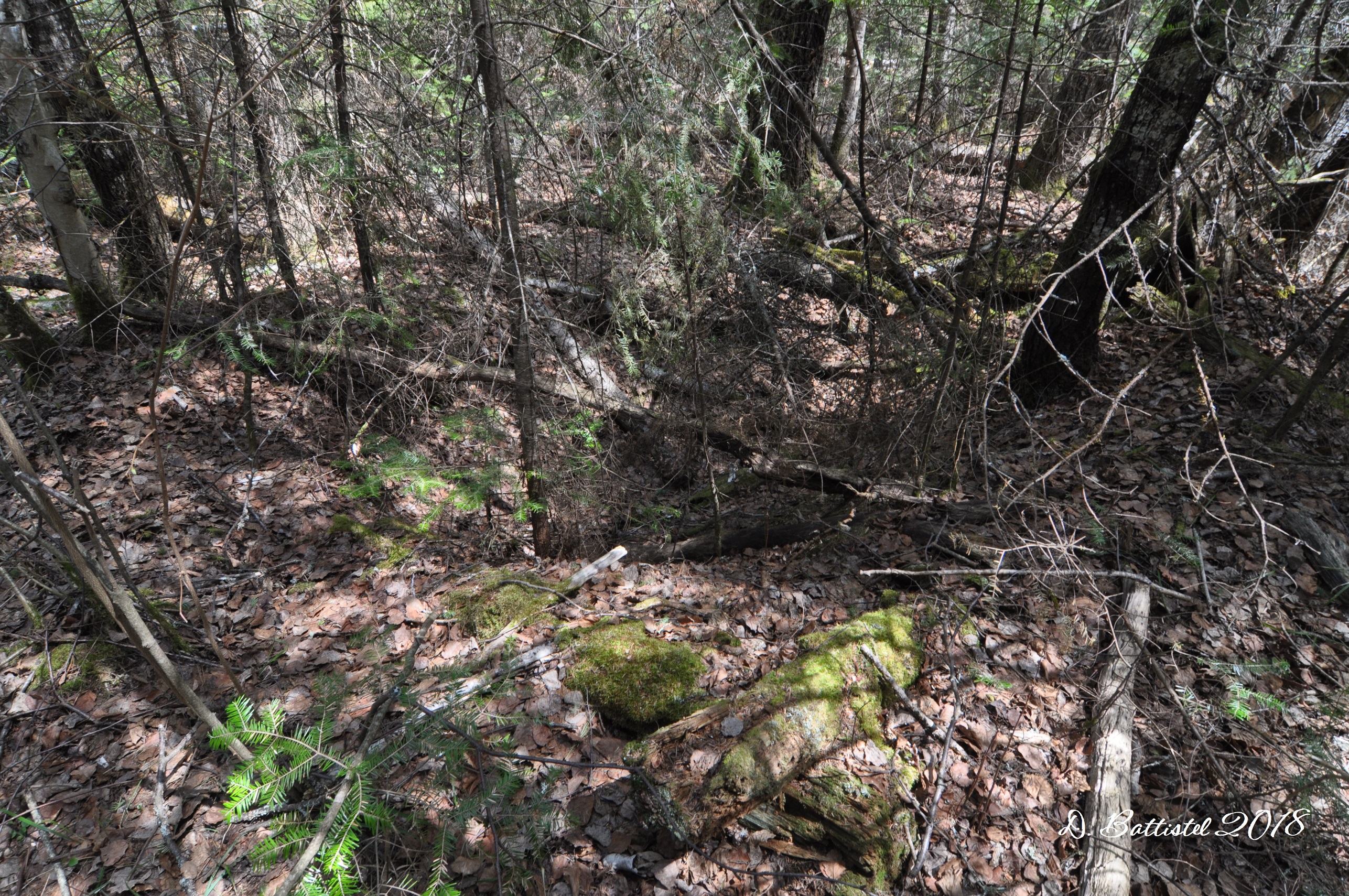
That leaves 3 structures just to the north. One, off by itself between the stables and bunkhouse, would in my estimation, be the blacksmith shop. I don’t have any definitive evidence, but my assumption is based on the debris located close by. The two other buildings are close to each other and are north of the bunkhouse and van. One is very small, 12 ft. x 14 ft. and has a deep hole in the centre of the berms; there can be no doubt that this is the outhouse. The other is slightly larger, but its purpose is a mystery. Again, the only way to make a determination would be to dig, but that not a decision I can make.

Outhouse, Camp 8 PRLC, May 2018.
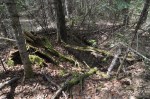
Outhouse, Camp 8 PRLC, May 2018.
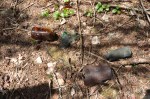
Glassware & pot, Camp 8 PRLC, May 2018.

Building foundation, Camp 8 PRLC, May 2018.

I wish I could have lingered longer, but I had a long walk back to my truck and a 2.5-hour drive home. It was 24C and I could feel the exhaustion setting in. I am planning to go back next May and devote the whole time to exploring the camp. Hopefully the archaeologists from the USFS can join me so there can be a more thorough exploration. I certainly have the knowledge of what was in a logging camp, but I lack the train eye and background to understand everything I see on the ground. My fingers are crossed that we can make it happen.

Anyway, it’s time to go. With all the craziness, it might be a while before I’m back. Hopefully I’ll have more news to report. Until then…
 
Leave a comment

Posted by on May 14, 2018 in Hiking, History, Railway


Tags: , , , , , , ,

Here comes the sun!

I bet right now the words to the Beatles’ song is running through your head. No? Well, maybe it’s a generational thing. In any case, that’s not what I’m talking about. So, what exactly am I referring to you ask? It’s a history reference, right? You know, history teacher, Dark Ages, Western Europe emerging from the “darkness” after the fall of the Roman Empire. That would be a big no; nice try though, and bonus points for making it about history. As usual, you’ll just have to keep going to get the real answer.

It’s spring kids! Well, on paper anyway. April is just around the corner, which means the school year is really flying by. This coming month is going to be crazy busy, which I am/am not looking forward to. Don’t get me wrong, there is going to be some great stuff, such as a conference in Vancouver, which I’ve never been to before, but that also means it’s going to be a struggle to keep up with things. The kids start some spring activities, flag football and baseball, which coupled with another trip out-of-town to Minneapolis, will make for some interesting times.

In my last post, I wrote about the next trip to Europe coming up in a year. After a lot of effort, we have been able to fill all the student spots on the trip, and even have a few on a waiting list. We have a good group of kids and I’m really looking forward to help them explore some of the sights, culture and history of a different continent. I’m sure before I know it, we’ll be on our way there!

So it is technically spring, which means some days it feels like it and others it doesn’t. For once I can’t really complain about the weather, as it has been relatively decent this past month after a really crappy February. The temperatures have been about average and the snow is disappearing slowly and steadily. I looks like we might have a bit chillier start to April, but the writing is on the wall and as long as we get some good dosages of sun, I’ll be happy.

Early spring at camp, March 2018.

March continued to be a busy month for railway work. I managed to get more writing done on the Gunflint & Lake Superior book, which definitely makes me happy. I have now completed the better part of the first 12 chapters and just have some additional information to add to them. I’ve started Chapter 13, which is the second last, which means I will not have too much to do next winter to finish it all up. The last time I totalled the word count I was over 36,000, an amazing amount for an amateur like me. As I described in my last post, I have some field work to complete this summer and need to review a few things in the archives to wrap up.

Speaking of field work, I am ready to start gearing up for another season of hiking and exploring. Right now I only have two trips planned; one coming up in May and my usual Thanksgiving weekend one in October. For the one coming up in May, the plan is to finish locating the grade of the G&LS, hopefully to definitely give it an exact length. This was something I was not able to do last year. Also, I want to spend some time exploring the logging camp I discovered last May, which I believe was Camp 8 (which I think was renumbered to Camp 11 at some point) of the Pigeon River Lumber Company. I am really hoping that some of the US Forest Service guys can join me for this one, for while I know the technical/historical stuff about logging camps, I am not a trained archaeologist and am not really sure of what I am looking at on the ground. Also, they have the authority to touch/dig/remove items from the ground, which I do not. I really need this information to help complete that section of my book and hopefully tell the story of this unique operation.

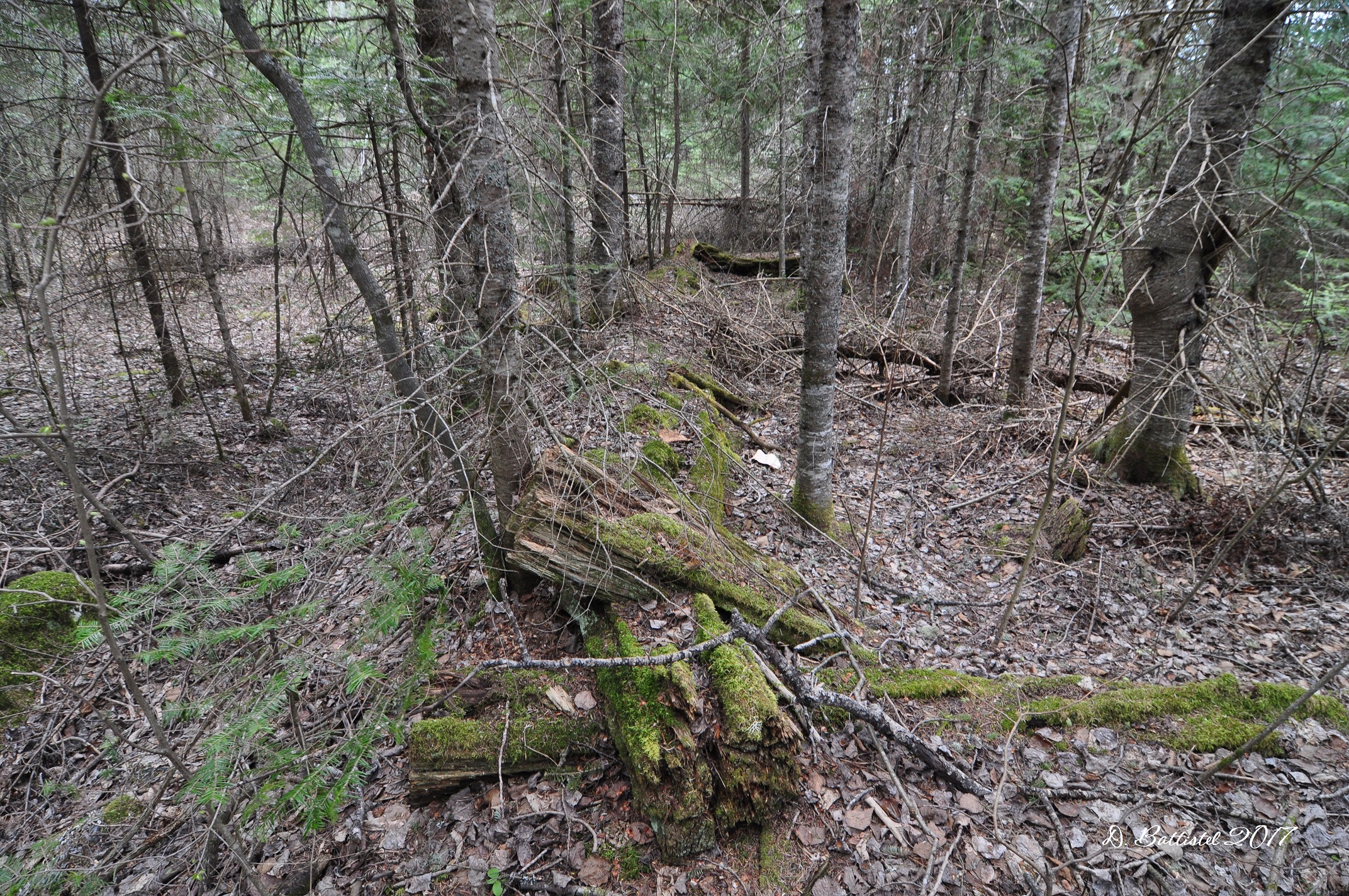
Building foundation, Camp 8?, May 2017.

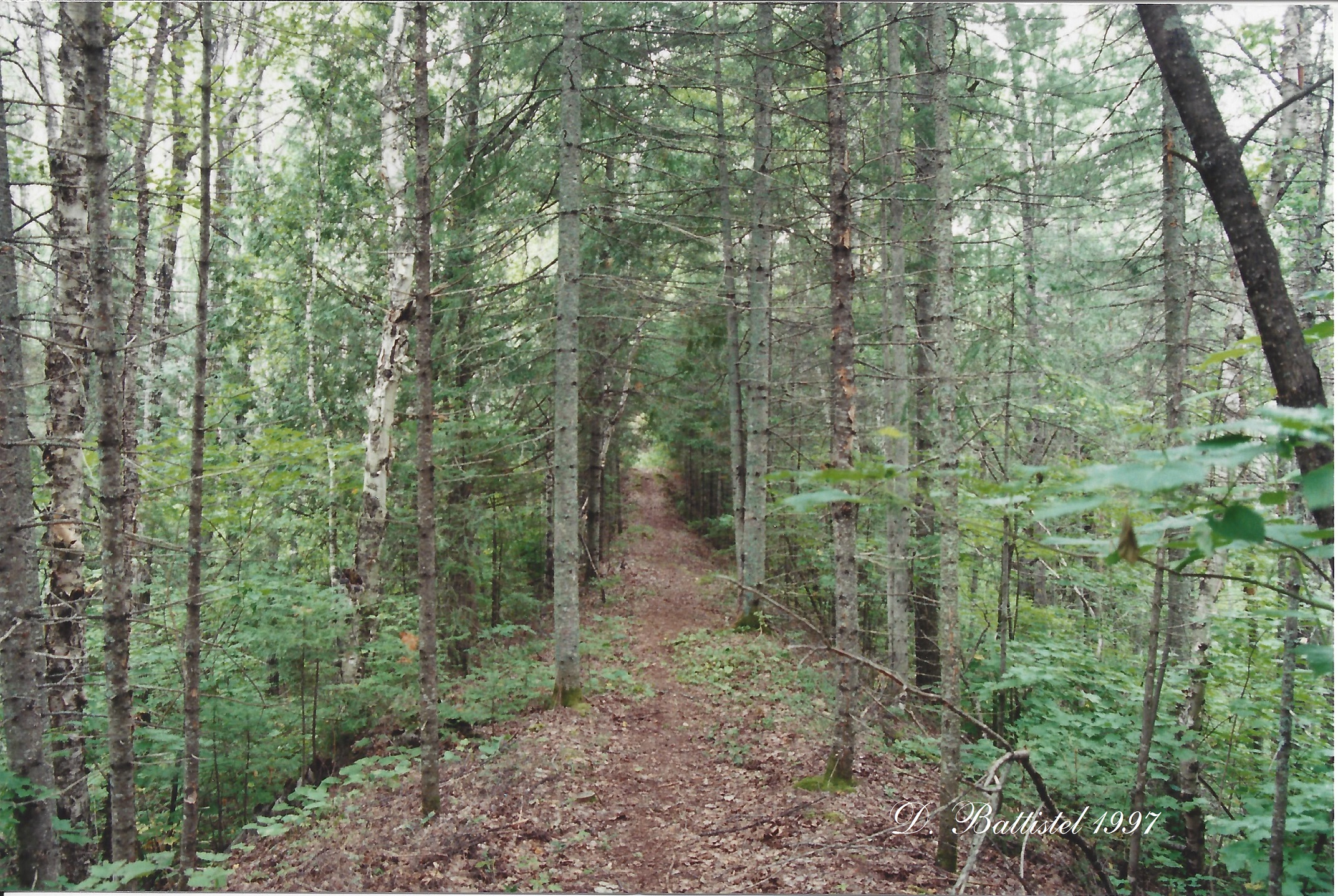
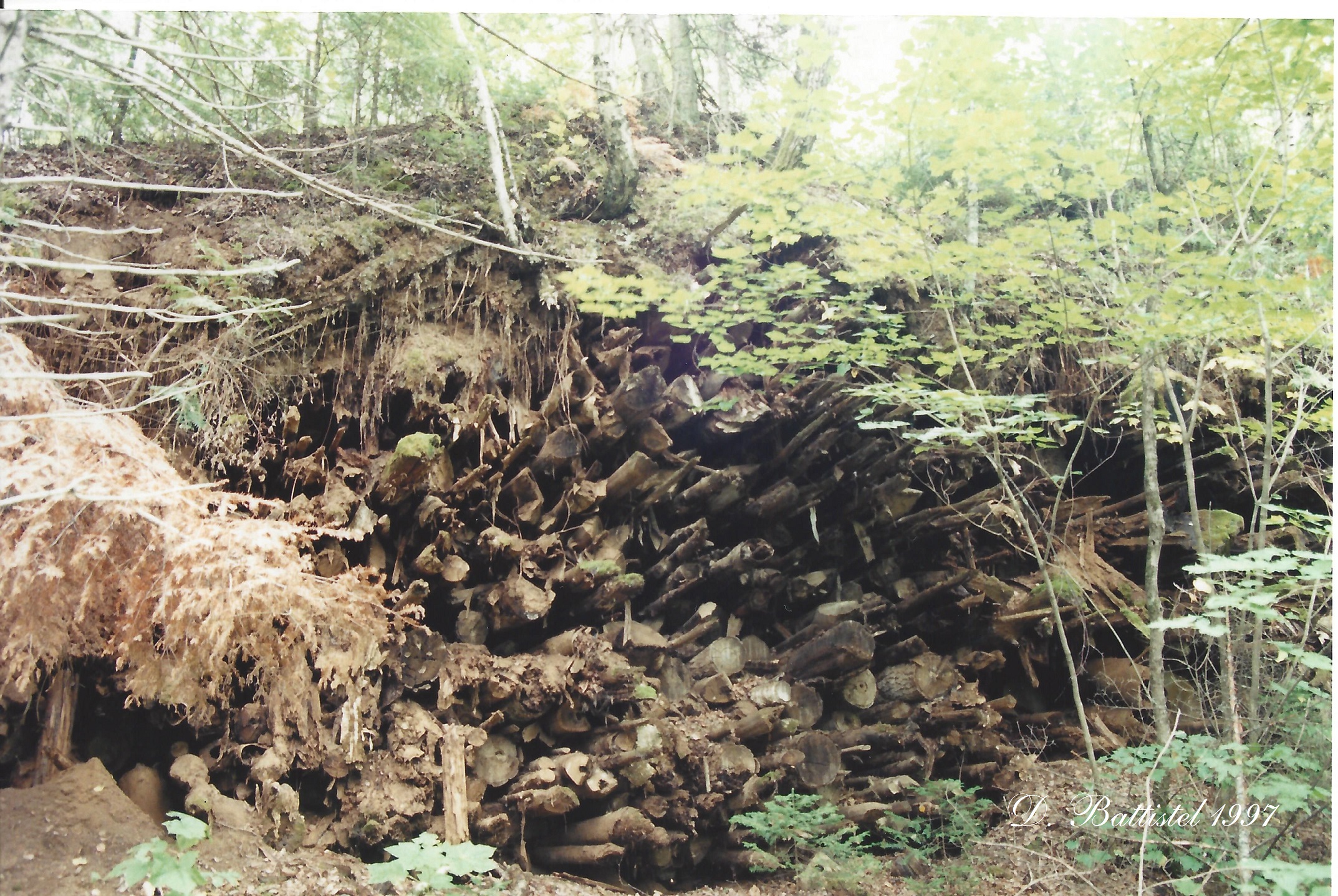
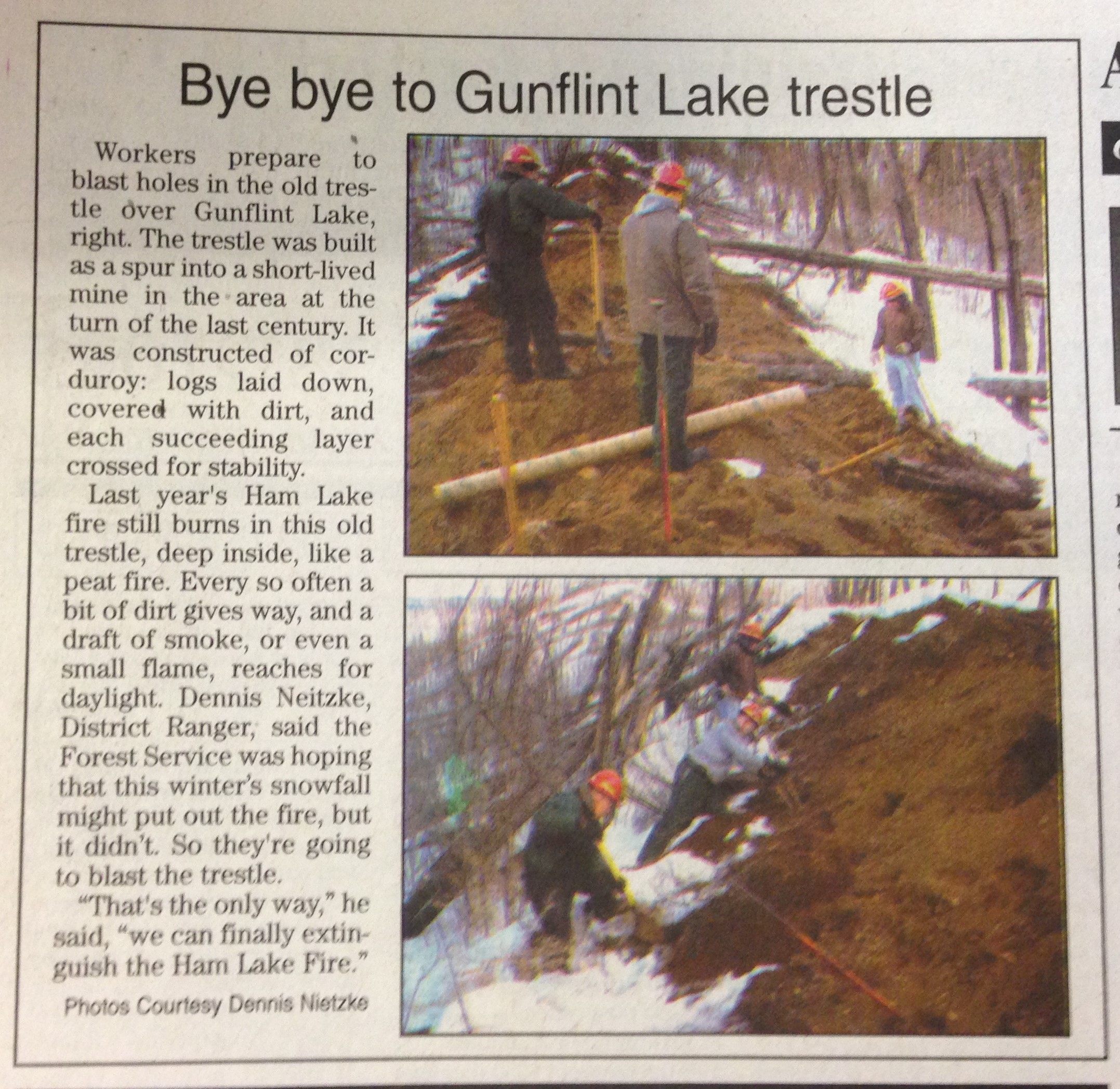
This month marks a sad anniversary, for it was 10 years ago that this area lost one of its most important historic treasures. To climb the ridges south of Gunflint Lake, the G&LS had to build a structure that was both practical and inexpensive. The “corduroy trestle” they constructed was one of the most unique rail structures to be found and was legendary in the area. It was used for many years as part of hiking and recreational trails after rails were removed circa 1915. I first saw it in 1997 and was awestruck, which you can clearly hear in the video I made. In 1999, the trestle was damaged by a large windstorm that hit the Boundary Waters and then was burned by the 2007 Ham Lake Fire. The flames penetrated deep into the structure and continued to smolder for months afterwards. In March 2008, the US Forest Service was forced to use dynamite to extinguish the fire. It’s too bad it is gone, for it was an amazing piece of engineering, but I am glad I was able to save it on video for everyone to see. You can view the video here.

Corduroy Trestle, August 1997.

Corduroy Trestle, August 1997.

Article from the Cook County News-Herald on the trestle, March 2008.

Anyway, I better get going. I’ll try to get back before the end of April with the latest updates. Until then…

 
Leave a comment

Posted by on March 30, 2018 in History, Railway, Research, Travel, Writing


Tags: , , , , , , , , ,