The Gunflint and Lake Superior Railroad was a logging line operated by the Pigeon River Lumber Company from 1902 to 1909. It connected to the Canadian Northern Railway Duluth Extension/North Lake Subdivision (ex-Port Arthur, Duluth and Western Railway) at Milepost 79. It travelled six miles from the Ontario side of Gunflint Lake into Minnesota passing Crab and Whisker Lakes to near Topper Lake.
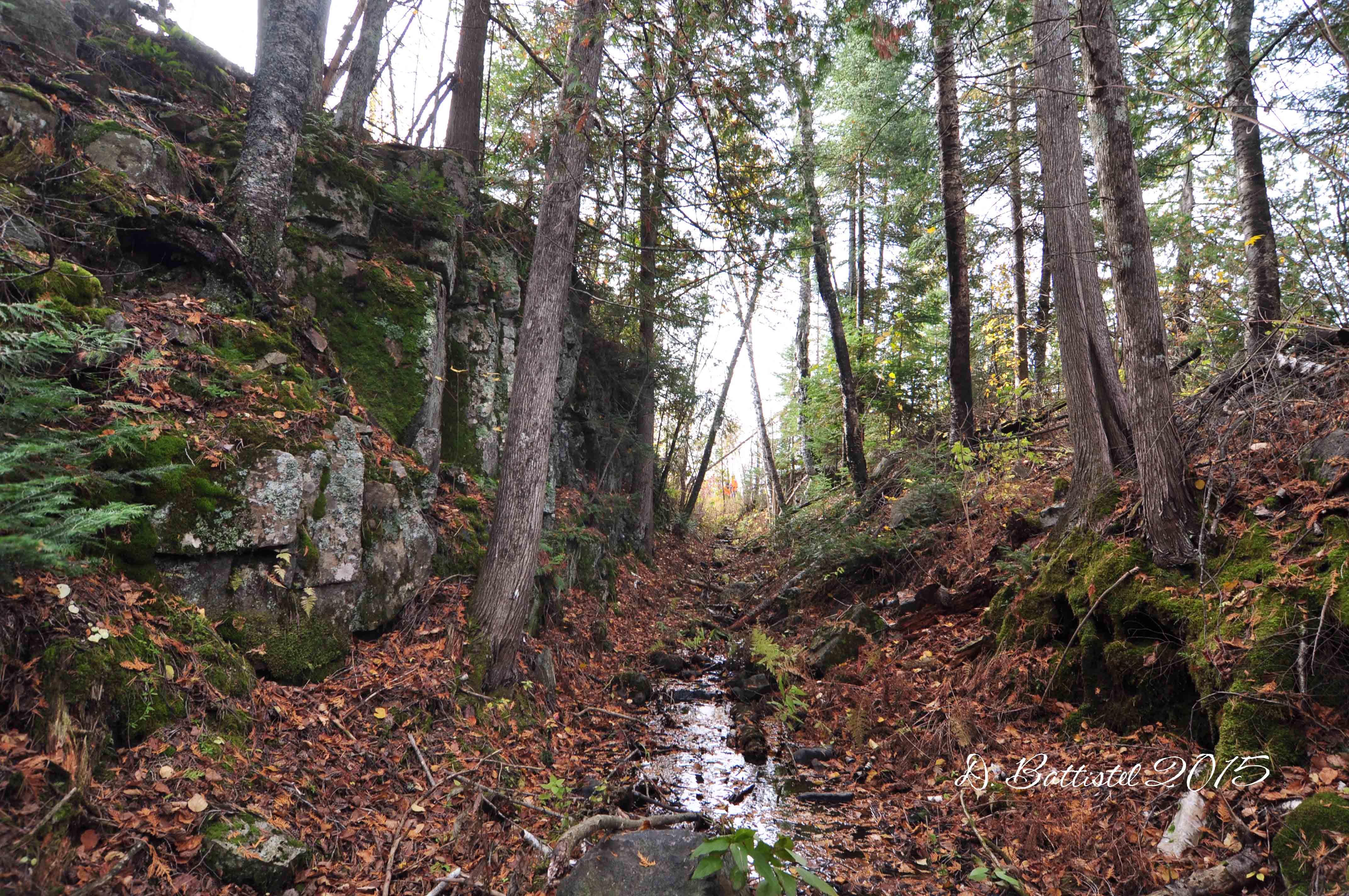
This video covers the northern end of the corduroy trestle and embankment as the grade then passes through a 330-foot rock cut on the ridges south of Gunflint Lake beside the Crab River and Bridal Falls. The gradient here is steep, over 10 percent, which necessitated the use of a Shay locomotive.
The Gunflint and Lake Superior Railroad was a logging line operated by the Pigeon River Lumber Company from 1902 to 1909. It connected to the Canadian Northern Railway Duluth Extension/North Lake Subdivision (ex-Port Arthur, Duluth and Western Railway) at Milepost 79. It travelled six miles from the Ontario side of Gunflint Lake into Minnesota passing Crab and Whisker Lakes to near Topper Lake.
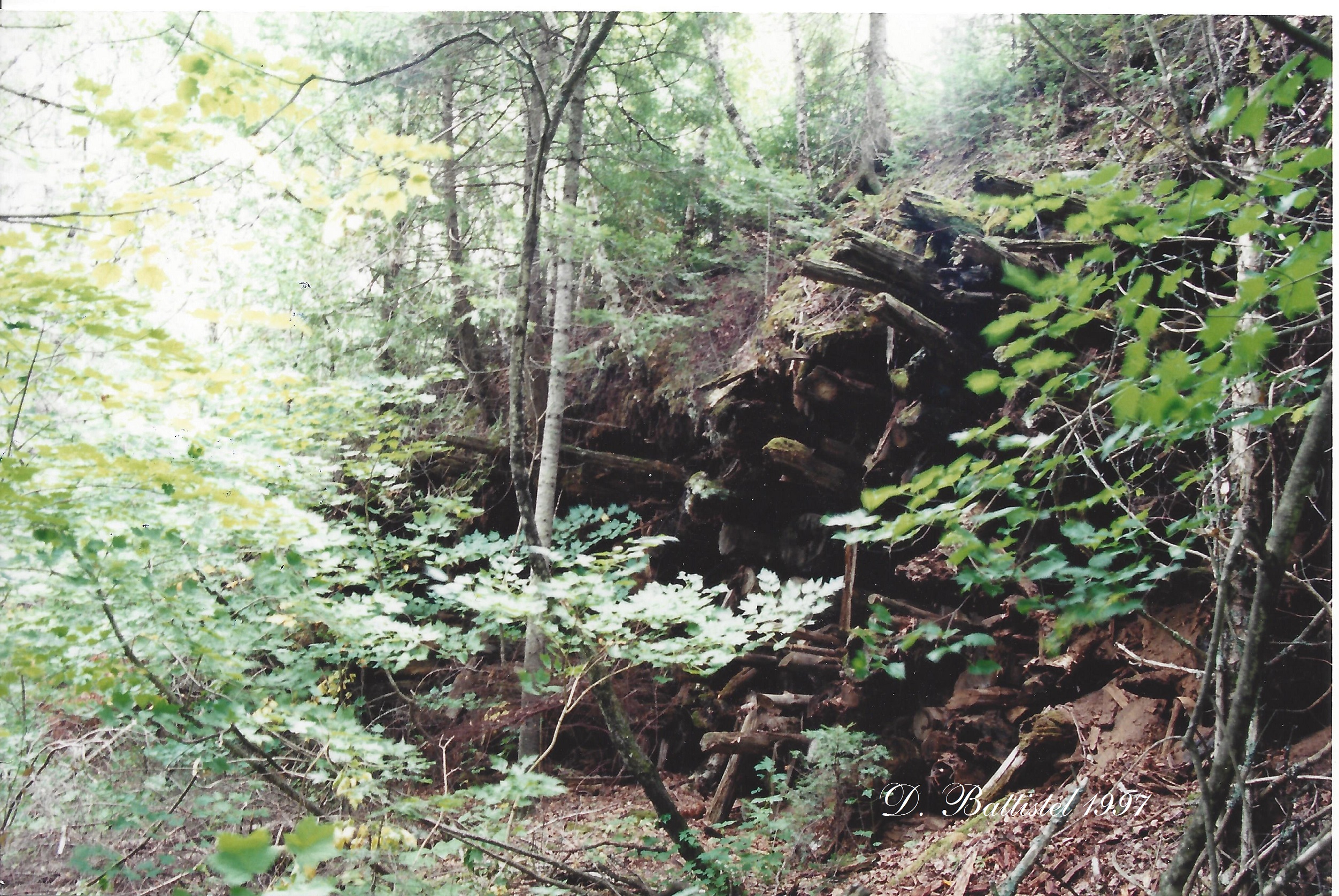
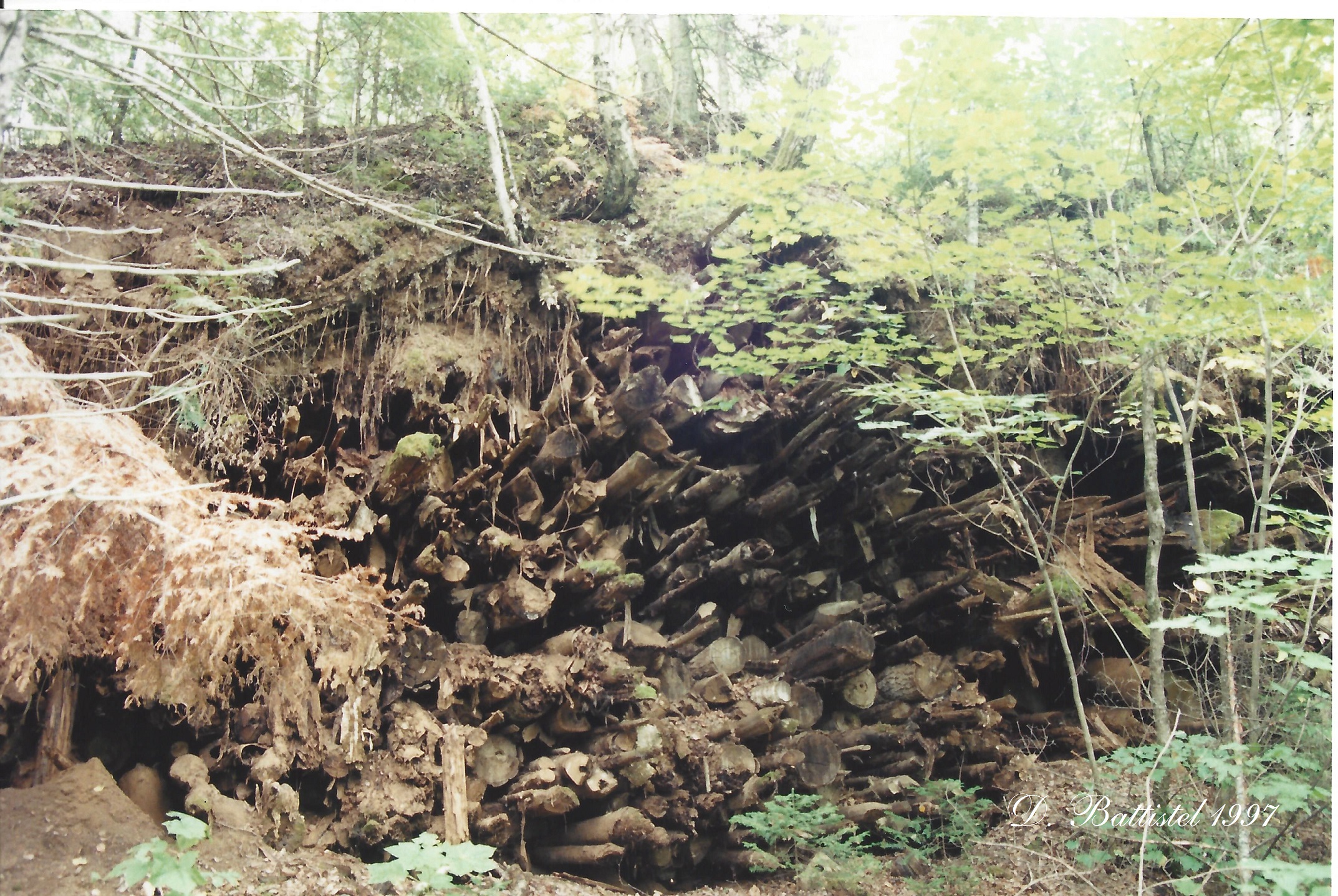
This video covers the approaches and the remains of a former large corduroy wood trestle that was used by the line to climb the ridges south of Gunflint Lake. It was damaged in a 1999 windstorm and then burned by the 2007 Ham Lake Fire. The logs continued to smolder throughout the winter, so in March 2008 the US Forest Service was forced to dynamite the trestle to extinguish the fire. Be sure to view the 1997 video to see what it looked like before its demise Gunflint & Lake Superior Railroad MP 2.4-2.5 (Corduroy Trestle 1997) https://youtu.be/nHhwDx3yLWw
The Gunflint and Lake Superior Railroad was a logging line operated by the Pigeon River Lumber Company from 1902 to 1909. It connected to the Canadian Northern Railway Duluth Extension/North Lake Subdivision (ex-Port Arthur, Duluth and Western Railway) at Milepost 79. It travelled six miles from the Ontario side of Gunflint Lake into Minnesota passing Crab and Whisker Lakes to near Topper Lake.
This video covers the large corduroy wood trestle that was used by the line to climb the ridges south of Gunflint Lake. Extending the line in 1904, the logging company had to cross a valley without expending large sums of money. The structure they built, likely in the winter of 1904-1905, was probably one of the most unique rail trestles in all of North America and lasted 103 years. This is the only known video of the trestle before its demise as a result of the 2007 Ham Lake Fire.
The Gunflint and Lake Superior Railroad was a logging line operated by the Pigeon River Lumber Company from 1902 to 1909. It connected to the Canadian Northern Railway Duluth Extension/North Lake Subdivision (ex-Port Arthur, Duluth and Western Railway) at Milepost 79. It travelled six miles from the Ontario side of Gunflint Lake into Minnesota passing Crab and Whisker Lakes to near Topper Lake.
This video covers where the railroad leaves a flooded area and proceeds to the southwest on the south side of a large ridge on the southeast side of Gunflint Lake. In two places a few rails remain in place, one of which contains double rails and parts of a junction, indicating that there was a siding in the area.
The Gunflint and Lake Superior Railroad was a logging line operated by the Pigeon River Lumber Company from 1902 to 1909. It connected to the Canadian Northern Railway Duluth Extension/North Lake Subdivision (ex-Port Arthur, Duluth and Western Railway) at Milepost 79. It travelled six miles from the Ontario side of Gunflint Lake into Minnesota passing Crab and Whisker Lakes to near Topper Lake.
This video covers the grade just northwest and at one of the two logging camps on the line, Camp 4 on Gunflint Lake. Features rock cuts, telegraph wire and rails.
The Gunflint and Lake Superior Railroad was a logging line operated by the Pigeon River Lumber Company from 1902 to 1909. It connected to the Canadian Northern Railway Duluth Extension/North Lake Subdivision (ex-Port Arthur, Duluth and Western Railway) at Milepost 79. It travelled six miles from the Ontario side of Gunflint Lake into Minnesota passing Crab and Whisker Lakes to near Topper Lake.
This video covers the area where the railroad crosses a small creek beside Gunflint Lake with corduroyed logs and bridge cribs that are still visible as well as a short section to the southwest. *Please note that removing artifacts from federal lands is prohibited by law.
The Gunflint and Lake Superior Railroad was a logging line operated by the Pigeon River Lumber Company from 1902 to 1909. It connected to the Canadian Northern Railway Duluth Extension/North Lake Subdivision (ex-Port Arthur, Duluth and Western Railway) at Milepost 79. It travelled six miles from the Ontario side of Gunflint Lake into Minnesota passing Crab and Whisker Lakes to near Topper Lake.
This video covers the 300 metre section from south of the international crossing to a creek crossing, and includes corduroyed logs and rock cuts on Gunflint Lake.
This is the story of one of the most unusual rail lines in North America.
In 1902, the Pigeon River Lumber Company, a Wisconsin company based in Port Arthur (now Thunder Bay), Ontario, acquired some timber limits in Minnesota near the International Boundary. The company had been logging along the boundary further to the east near Lake Superior since its incorporation in 1900.
To facilitate the logging, a small railroad was built in Minnesota, eventually reaching 6 miles in length. It connected to the Canadian Northern Railway Duluth Extension (formerly the Port Arthur, Duluth and Western Railway), a line completed in 1893 with the intention of reaching Duluth, Minnesota and accessing iron deposits in the area, both of which failed. For seven years, until 1909, hundreds of thousands of logs were hauled the 80+ miles to the company’s sawmill in Port Arthur and thus created one of the most unique rail operations in North American history. A logging railroad, with no US terminus and only accessible through Canada, hauling logs cut in Minnesota across the border to be processed in an Ontario sawmill.
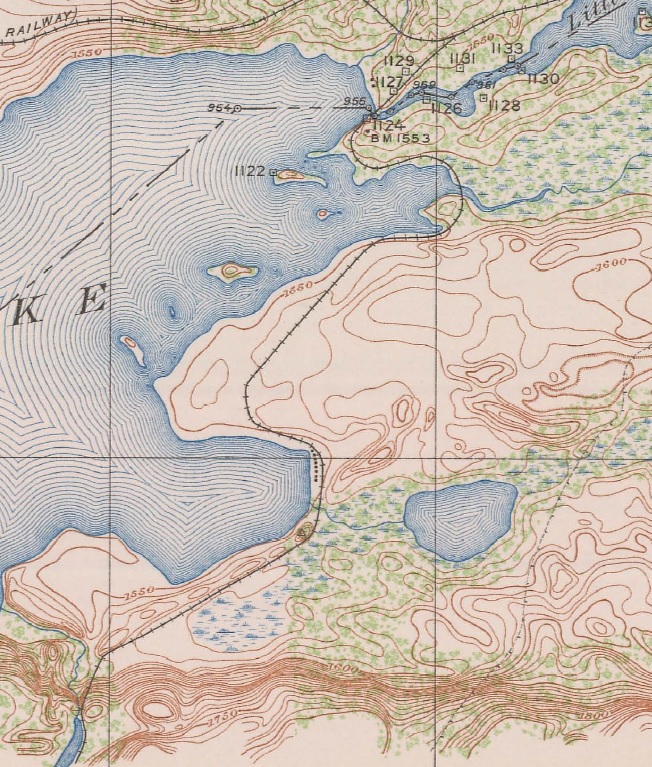
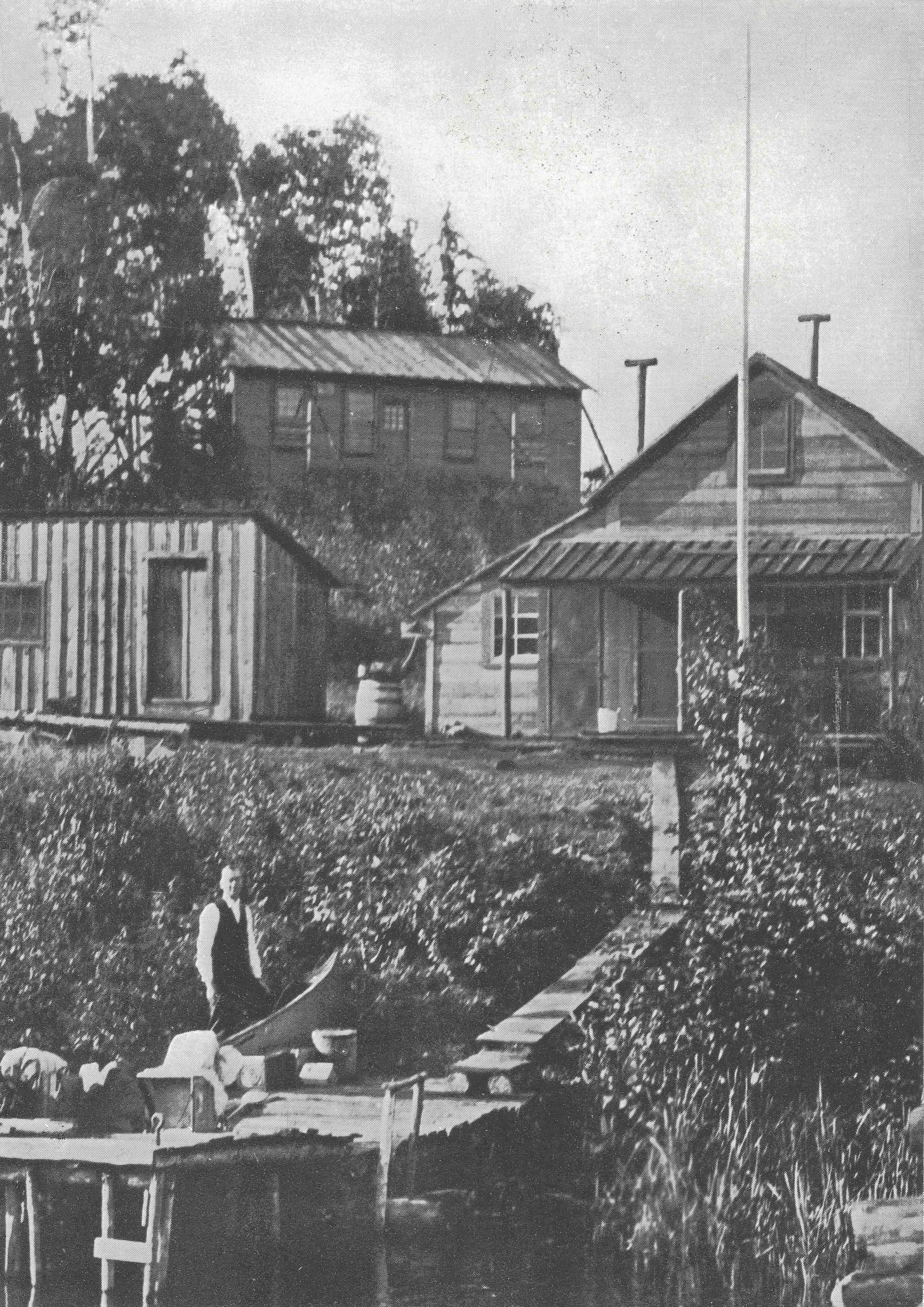
Sadly, there are no known photos of the railroad or logging operations. The International Boundary Commission map below shows the first two miles of the railroad down the east side of Gunflint Lake while the photo, taken by photographer George Shiras III, shows the American customs facilities approximately 10 years after the logging ceased.
This map shows the the route of the G & LS from the branch with the Duluth Extension to Crab Lake.US Customs House, circa 1919-1920 (G. Shiras III).
One hundred and twenty years ago tomorrow, the Gunflint and Lake Superior Railroad (G&LS) was incorporated in the State of Minnesota. Owned by the Pigeon River Lumber Company, a Wisconsin business headquartered in Port Arthur (Thunder Bay), Ontario, the logging line was built to harvest timber along the southwest shore of Gunflint Lake and adjacent areas in the northeast part of the state.
The G&LS was in operation between 1902 and 1909 and branched off the Canadian Northern Railway Duluth Extension (originally the Port Arthur, Duluth & Western) at Milepost 79. It was likely the most unusual railroad in all of North America as it was an American line, but had no terminus in the US and its only access was via Canada. All the timber harvested in Minnesota was shipped to the company’s mill in Port Arthur for processing.
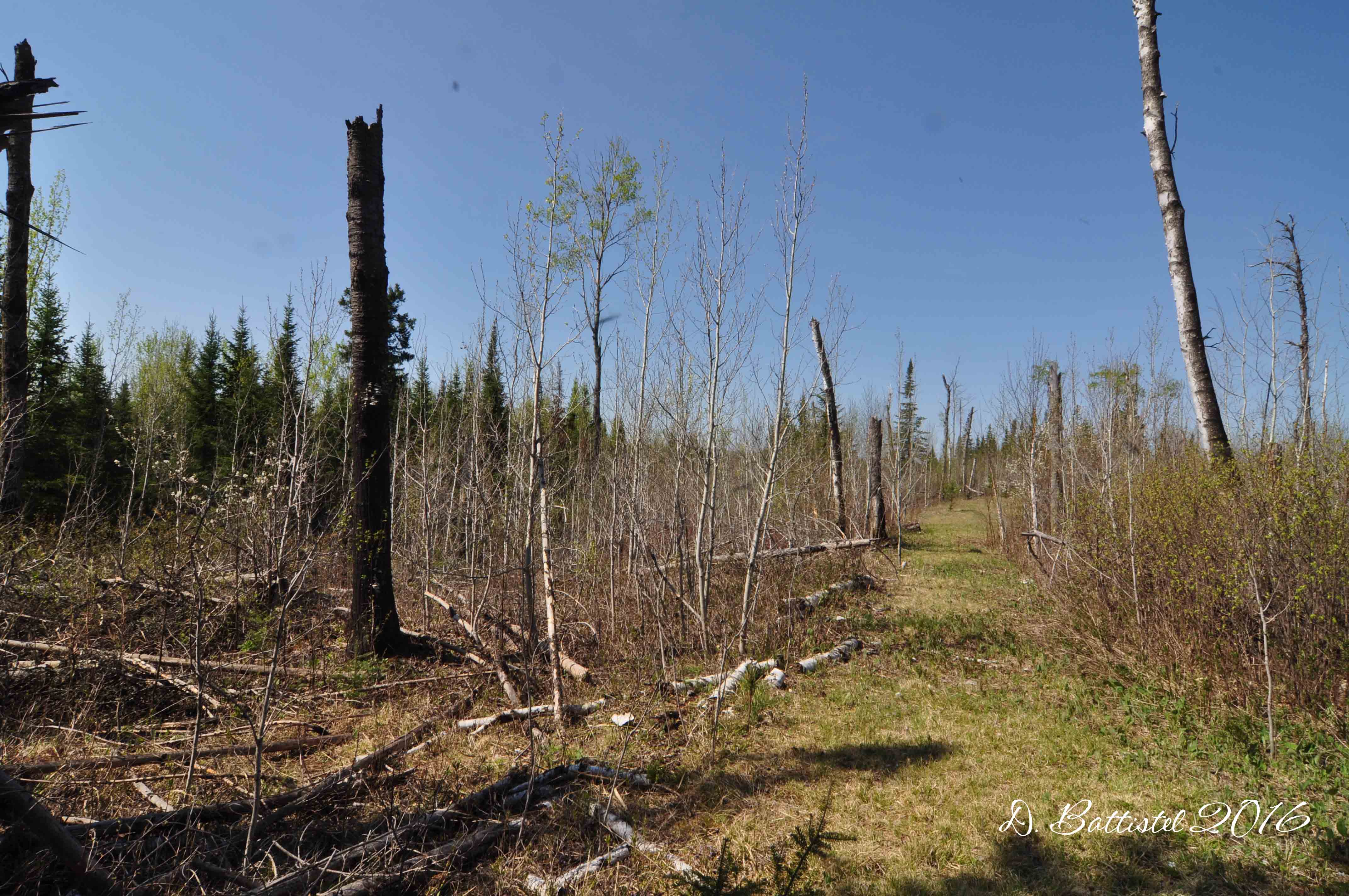
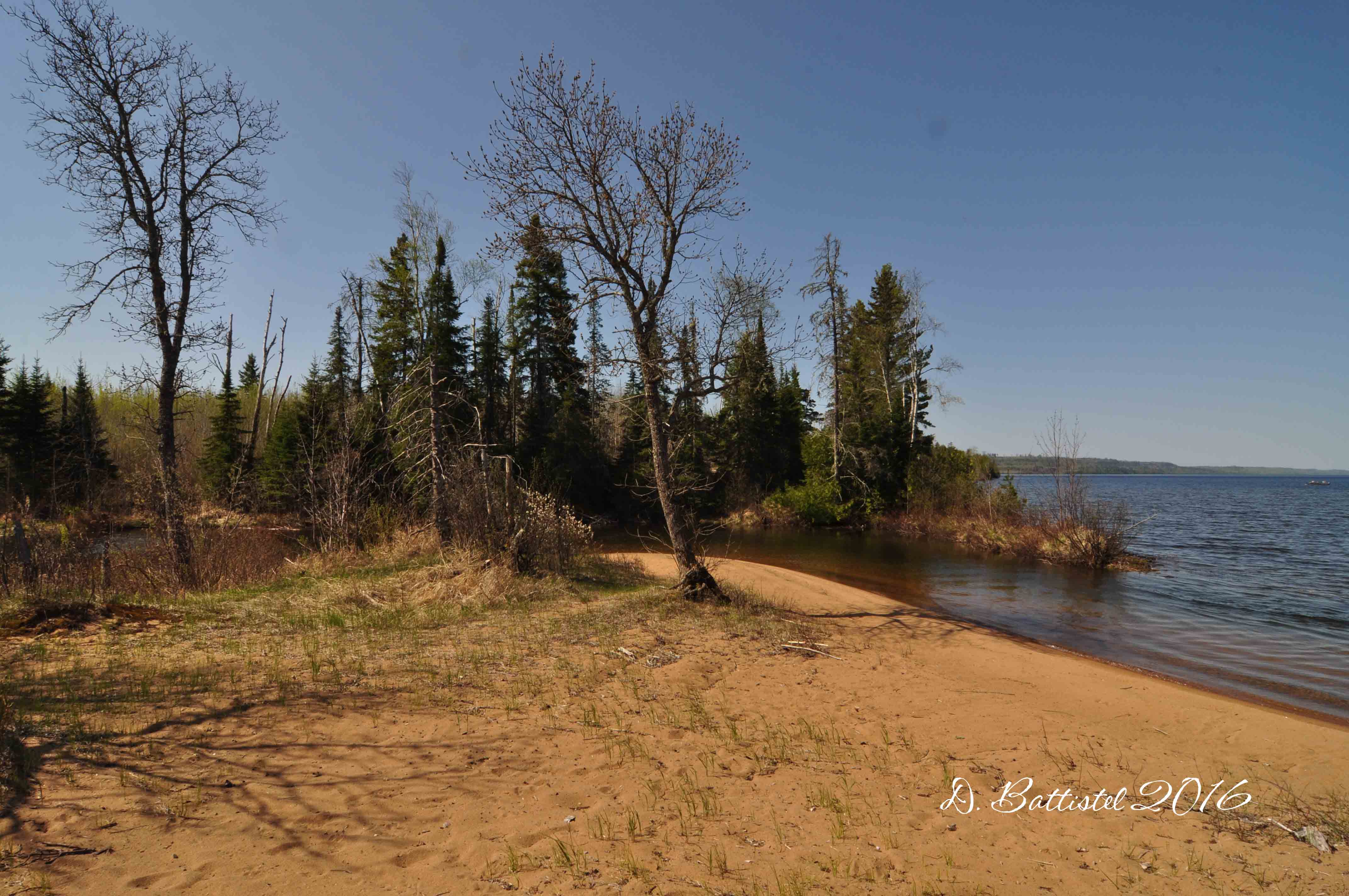
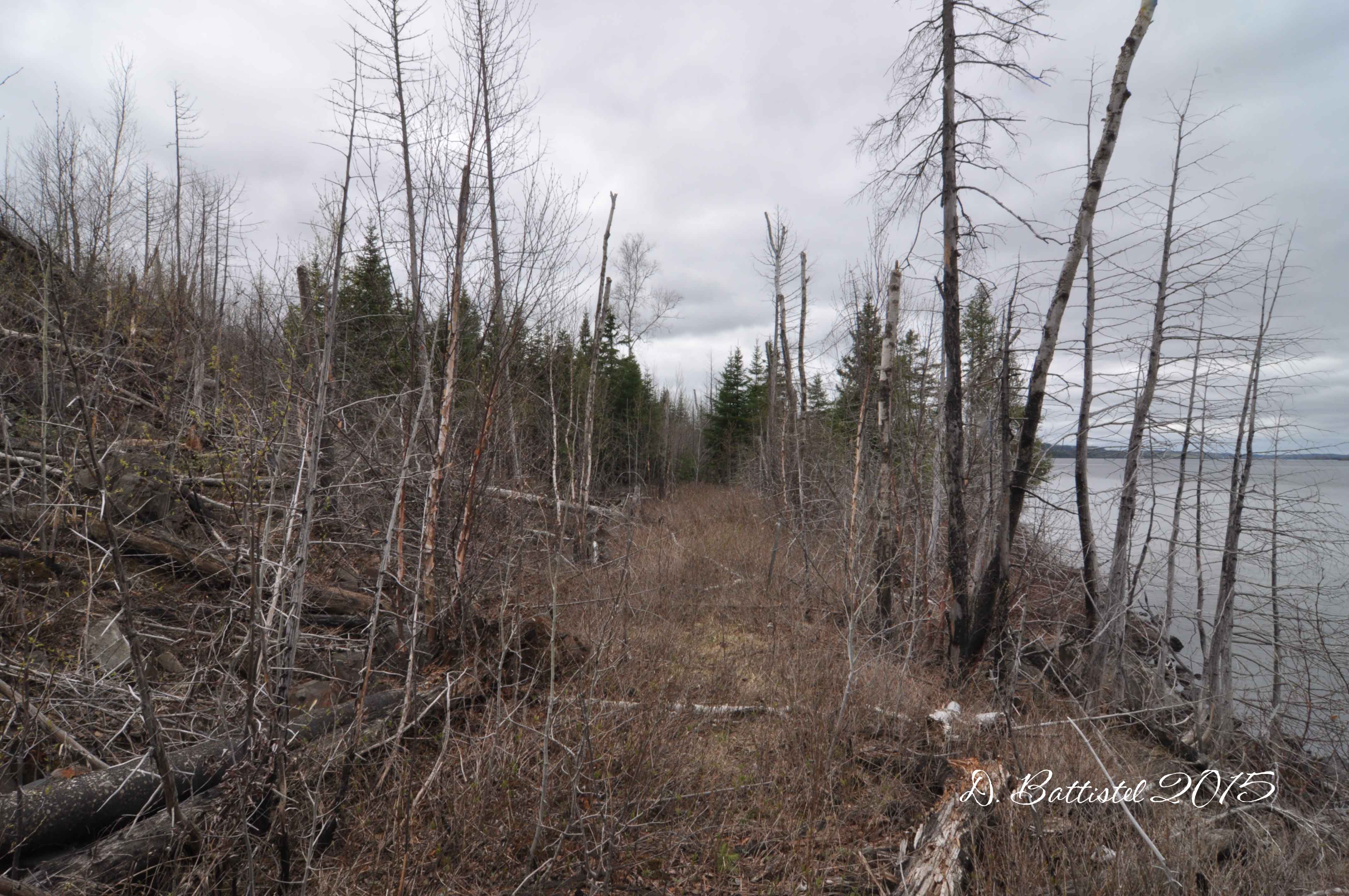
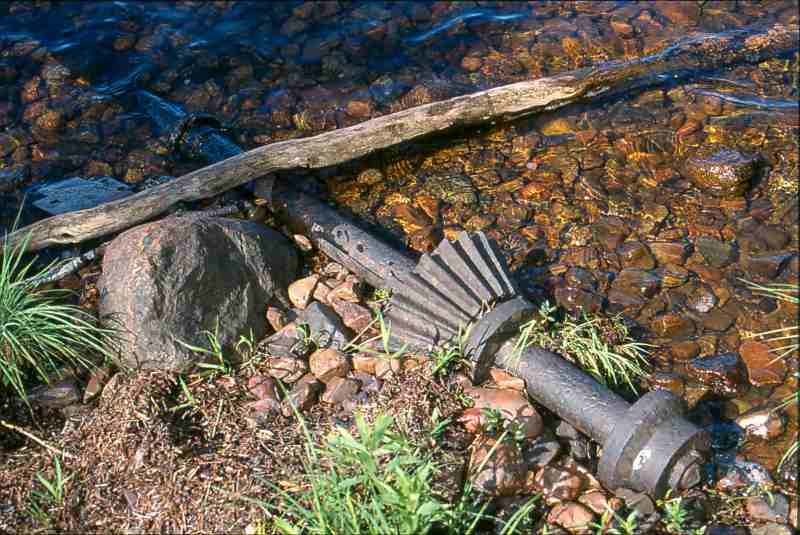
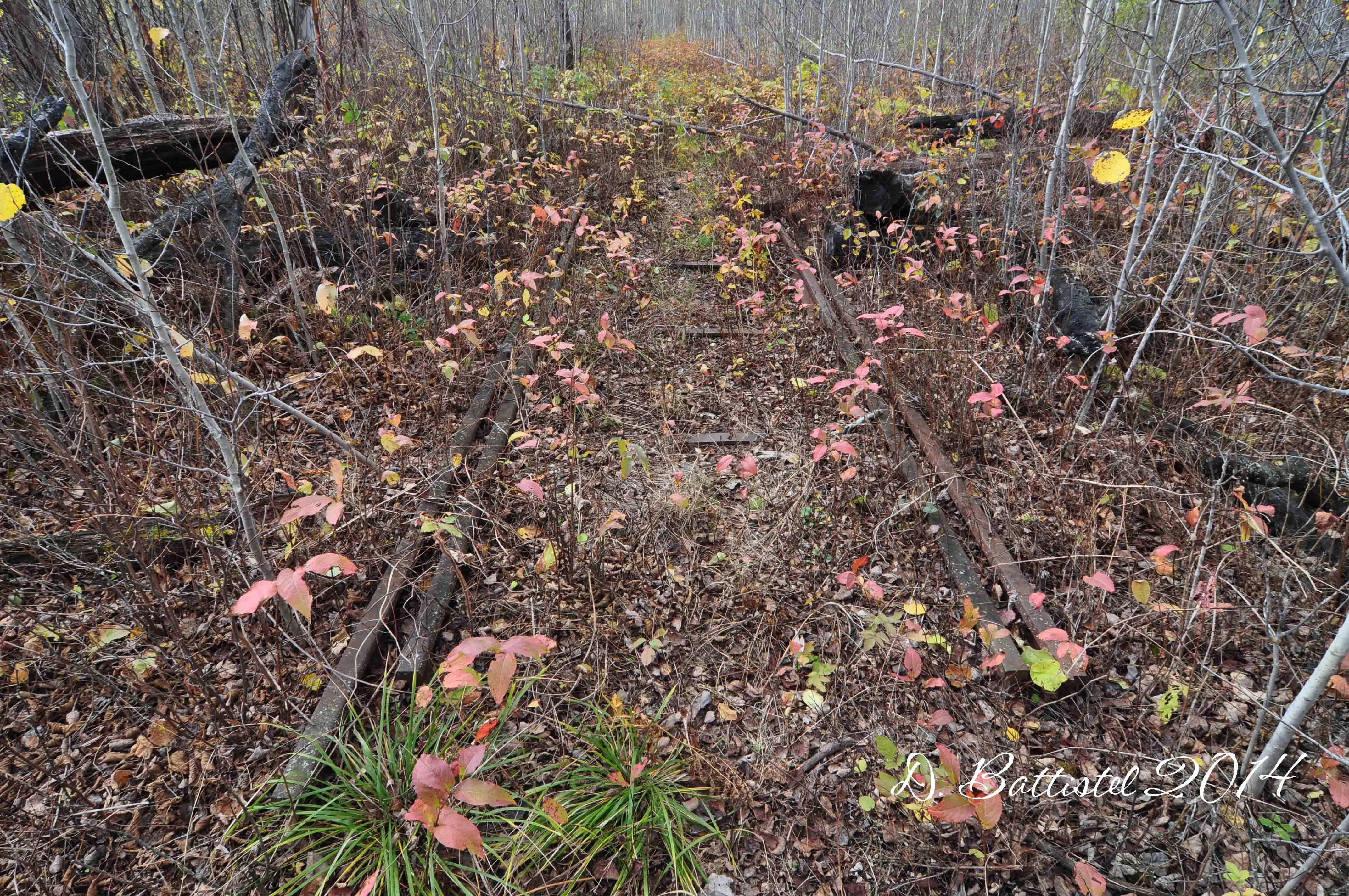
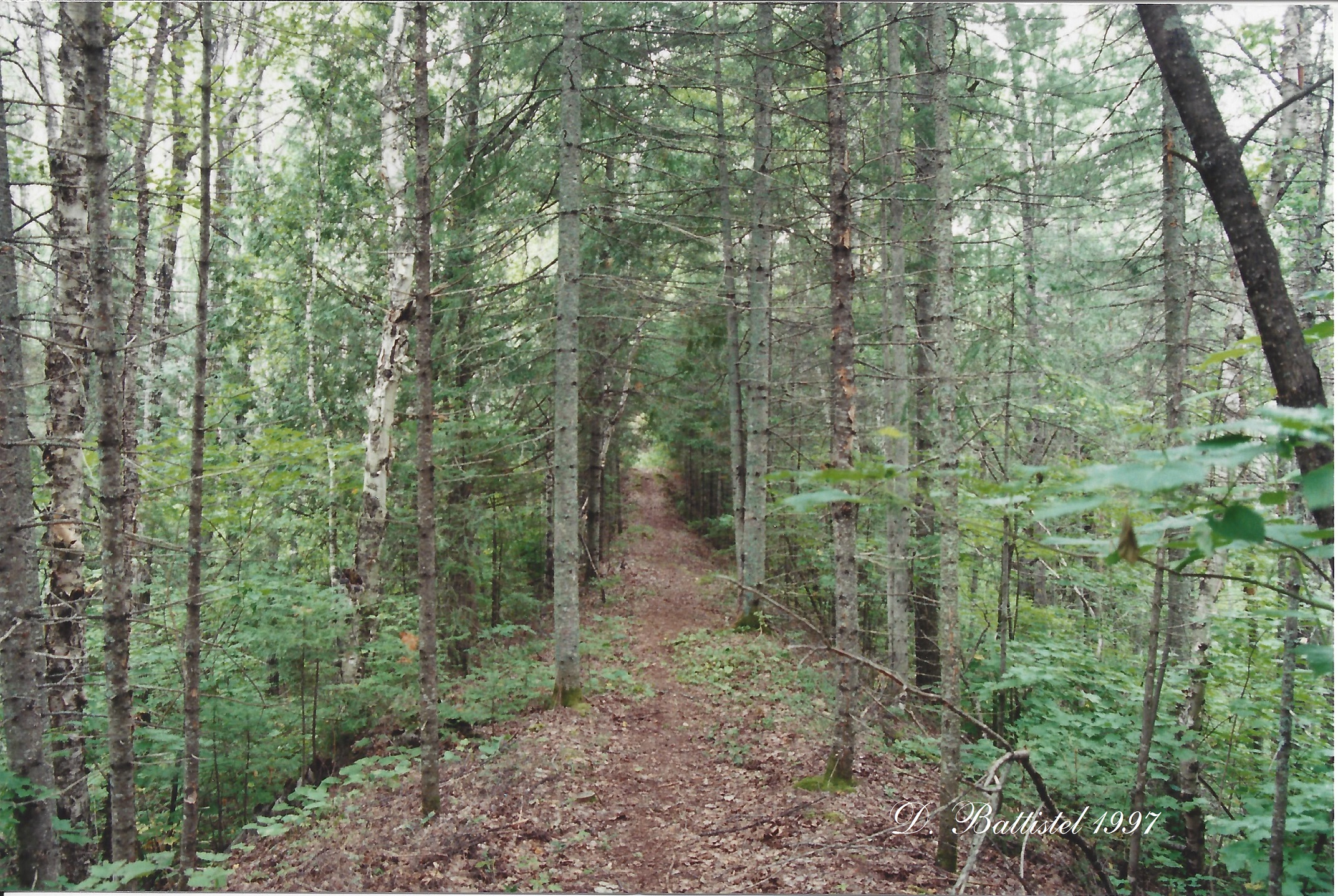
Today there are vestiges of the line still visible, but they are rapidly disappearing. The photos, taken between 1997 and 2016, along with the map (which shows the area in 1911), covers the initial few miles of the line as passes from Ontario across the international boundary into Minnesota. Corduroyed logs, some rails and even a line shaft from a Shay locomotive litter the route. The most amazing remnant of the line was a massive corduroyed log trestle on the south shore of the lake beside the Crab River, which helped it climb the massive ridges in the area. Unfortunately the trestle was burned in a 2007 fire and the following winter the Forest Service was forced to dynamite it to extinguish the smoldering embers inside.
PAD&W-G&LS junction, May 2016.G&LS International Crossing, May 2016.G&LS Grade, May 2015.Corduroyed logs, October 2015.Shay 683 rear line shaft, Gunflint Lake, July 2000.Rails, Gunflint Lake, October 2014.Corduroy Trestle, August 1997.Corduroy Trestle, August 1997.Corduroy Trestle, August 1997.This map shows the the route of the G & LS from the branch with the Duluth Extension to Crab Lake.G&LS rock cut, October 2015.
Extra Credit is video series that examines topics related to history in the Thunder Bay District and exploring that history.
I always get a lot of questions about my explorations and local history. Over the years I have had some unforgettable experiences while hiking, so this episode is all about the best and worst moments.

 Poverty, Agony, Distress & Want!